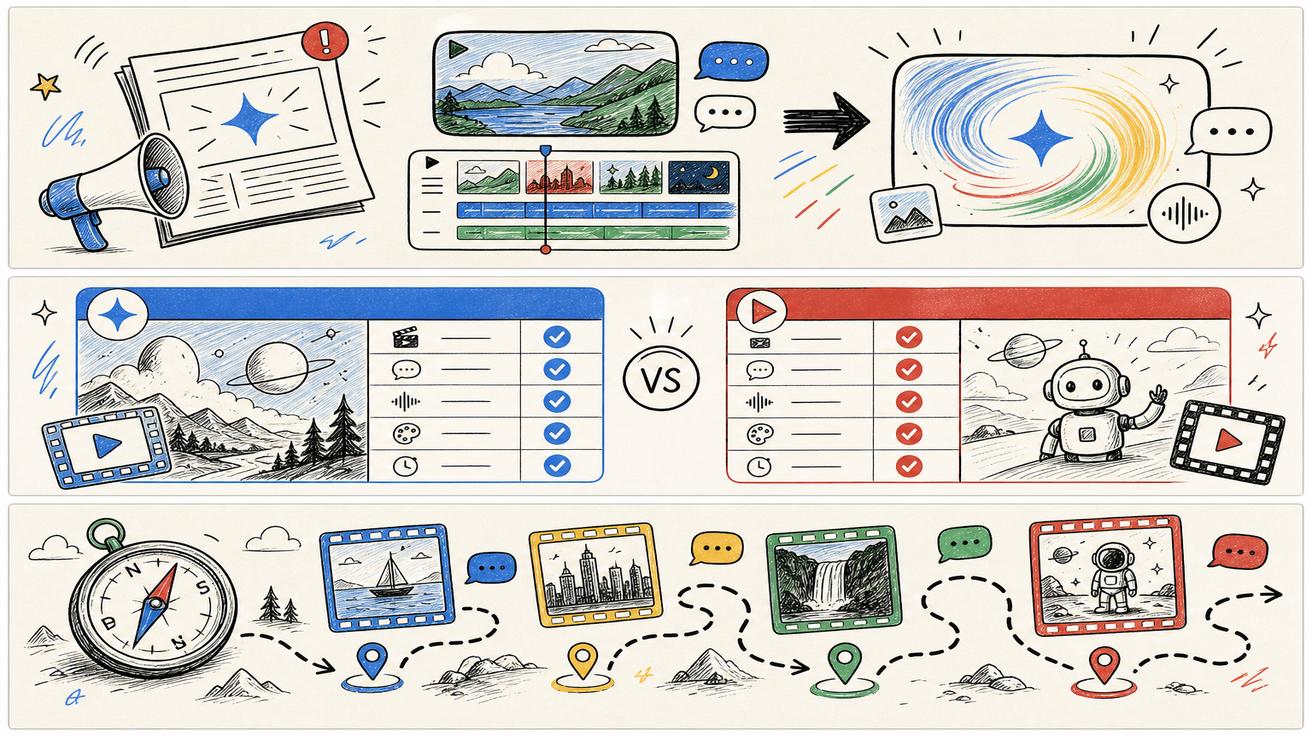
The landscape of Google’s video generation is shifting. With the introduction of Gemini Omni, creators and developers are navigating a transition from the established Veo 3.1 model to a more integrated, multimodal ecosystem. At VeoNano, we track these changes to ensure your production framework remains ahead of the curve.
The Shift in Product Surface
The most immediate change is where these tools live. Gemini Omni is now the primary video experience within the Gemini app ecosystem. While Veo 3.1 remains a powerhouse for high-quality standalone generation—emphasizing physics, realism, and creative control—Google is using Omni to replace the previous Veo-based experience for general app users.

Workflow: Generation vs. Conversational Editing
The mental model for video creation is evolving from "prompt-in, video-out" to a continuous creative dialogue.
- Veo 3.1: Best understood as a high-fidelity model focused on prompt adherence and cinematic quality.
- Gemini Omni: Designed for "any input" composition. It allows creators to mix text, images, and existing footage, refining the output through conversational iterations grounded in Gemini’s real-world knowledge.
Multimodal Inputs and Audio
Omni Flash is expanding the definition of creative references. Beyond text-to-video, the model supports workflows that incorporate audio references. This allows for more complex creative compositions, though Google is rolling these features out under strict responsible AI guidelines.
API and Enterprise Rollout Timelines
For developers and enterprise teams at VeoNano, the rollout follows three distinct phases:
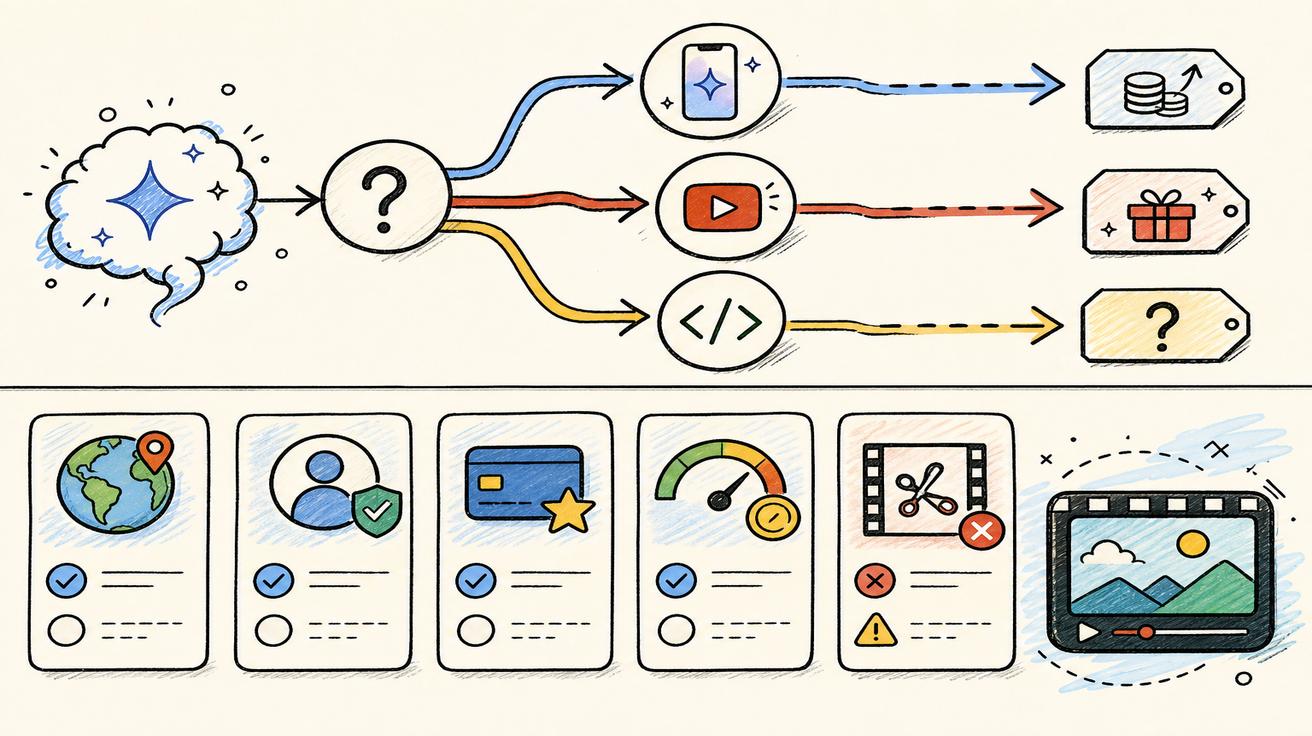
- Consumer Access: Gemini Omni Flash is currently rolling out to the Gemini app, Flow, and YouTube Shorts.
- Developer/Enterprise Access: API documentation and access are expected in the coming weeks.
- Legacy Support: While Omni is the new native story for Gemini, the Veo 3.1 documentation remains active for specific high-fidelity use cases.

Practical Scoring: Which Model Should You Use?
To decide between the two, evaluate your project against these criteria:
- Access: Is the model available in your region or within your current subscription?
- Control: Do you need precise camera and motion direction (Veo 3.1) or conversational refinement (Omni)?
- Consistency: How well does the model maintain character and scene stability across edits?
Recommendation: Use Gemini Omni if your goal is app-based creative editing and rapid iteration. If you are a developer building custom integrations, wait for the upcoming API documentation to leverage Omni Flash’s full potential.
SEO and Content Strategy for Creators
The launch of Omni doesn't render Veo 3.1 knowledge obsolete. Instead, it creates a new cluster of information. Resources regarding Veo pricing, prompt workflows, and free access remain highly relevant but should now be linked to Omni-specific updates to provide a complete picture of the Google video ecosystem.
Conclusion
Gemini Omni and Veo 3.1 are not a simple "old vs. new" swap. While Omni is the future of the Gemini-native video experience, Veo 3.1 continues to serve as a benchmark for realism and control. Standardizing your production blocks around these tools is the most reliable way to scale your content output.
Next Step
Explore the latest VeoNano workflow templates to integrate these models into your production pipeline.
FAQs
1) Does Gemini Omni completely replace Veo 3.1?
In the Gemini app, yes. However, Veo 3.1 remains a distinct model with its own documentation and specific strengths in realism and physics.
2) When can I use the Gemini Omni API?
Google has stated that developer and enterprise APIs for Gemini Omni Flash will be rolling out in the weeks following the initial announcement.
3) Which model is better for product videos?
For high-fidelity lighting and natural camera movement, Veo 3.1 is currently the standard. For social-first content like YouTube Shorts, Gemini Omni is the optimized choice.