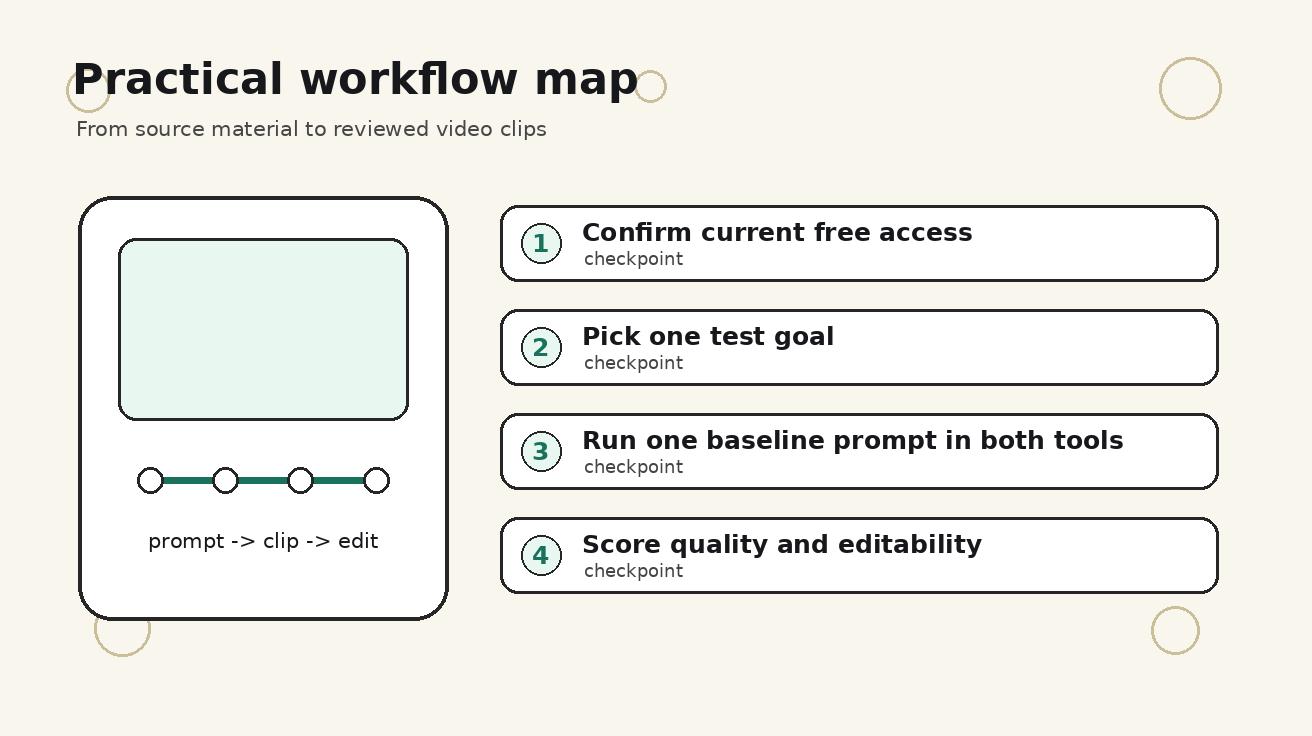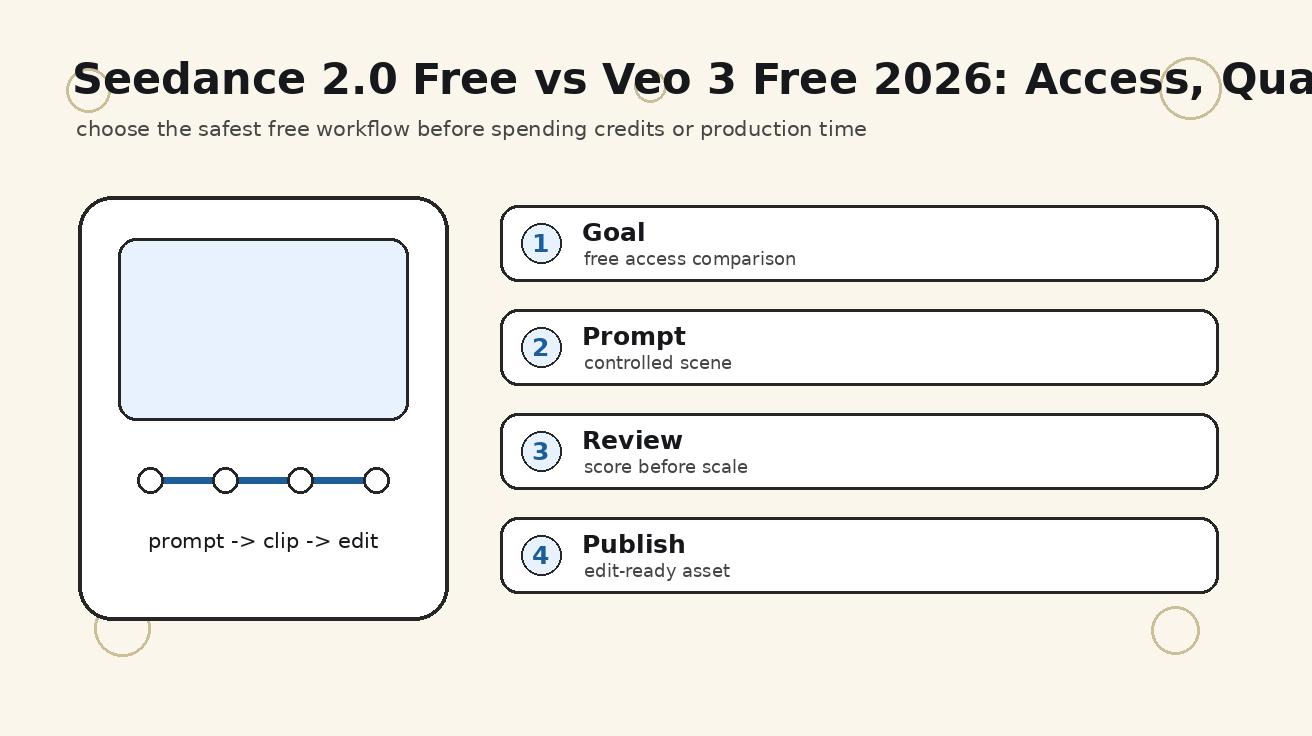
Navigating the free tiers of AI video generators in 2026 requires more than just a "trial and error" mindset. To get professional results from Seedance 2.0 or Veo 3 without a paid subscription, creators must shift from chasing flashy clips to executing controlled, narrow video jobs. This guide outlines how to maximize these tools within their respective limits.
Quick Answer: The Winning Strategy for Free Access
The most effective way to use free tiers is to avoid long, complex prompts that the model might struggle to interpret. Instead, focus on generating short, controlled scenes. By keeping factual data outside the model—using it only for visual rendering—you ensure higher accuracy. Success in the free tier is measured by how well a clip fits a specific job, not just its visual flair.
Pre-Production Decision Table
Before you burn through your daily credits, use a filter to evaluate your project. If you lack a clear "source of truth" (like a product reference) or a defined export destination, pause.
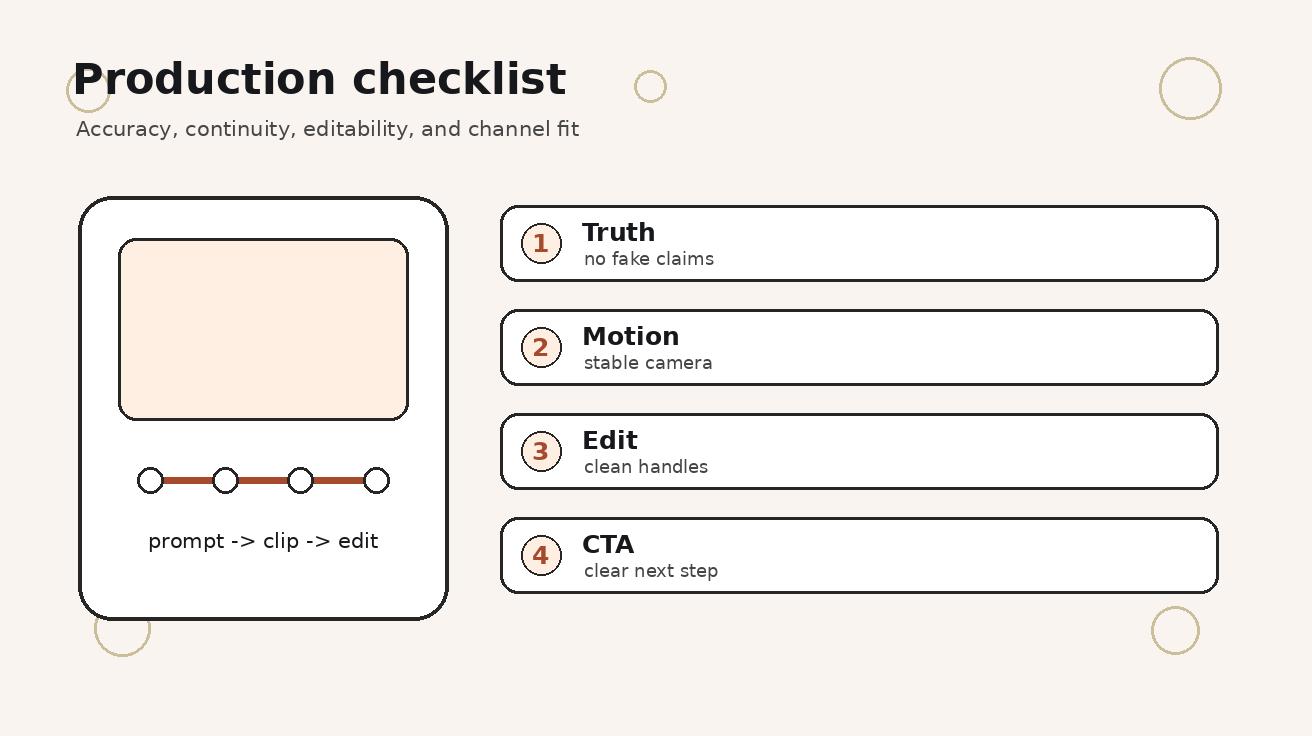
Why this works:
- Prevents credit waste on undefined concepts.
- Ensures the output aligns with your final edit plan.
- Standardizes the review process across different AI models.
The VeoNano Practical Workflow
To make your AI video production inspectable and repeatable, every step should result in a tangible artifact—whether that is a prompt, a shot card, or a QA checklist.
Step 1: Define the Video Job
Start with a single sentence: "This video helps [audience] understand [action] so they can [outcome]." For Seedance 2.0 free users, this clarity prevents the project from devolving into a generic AI showcase and keeps the focus on utility.
Step 2: Prepare Source Material
Specific inputs yield stronger outputs. Gather your brand colors, product screenshots, and motion references before opening the generator. Having these boundaries ensures the AI stays within your brand's visual language.
Step 3: Use Prompt Templates
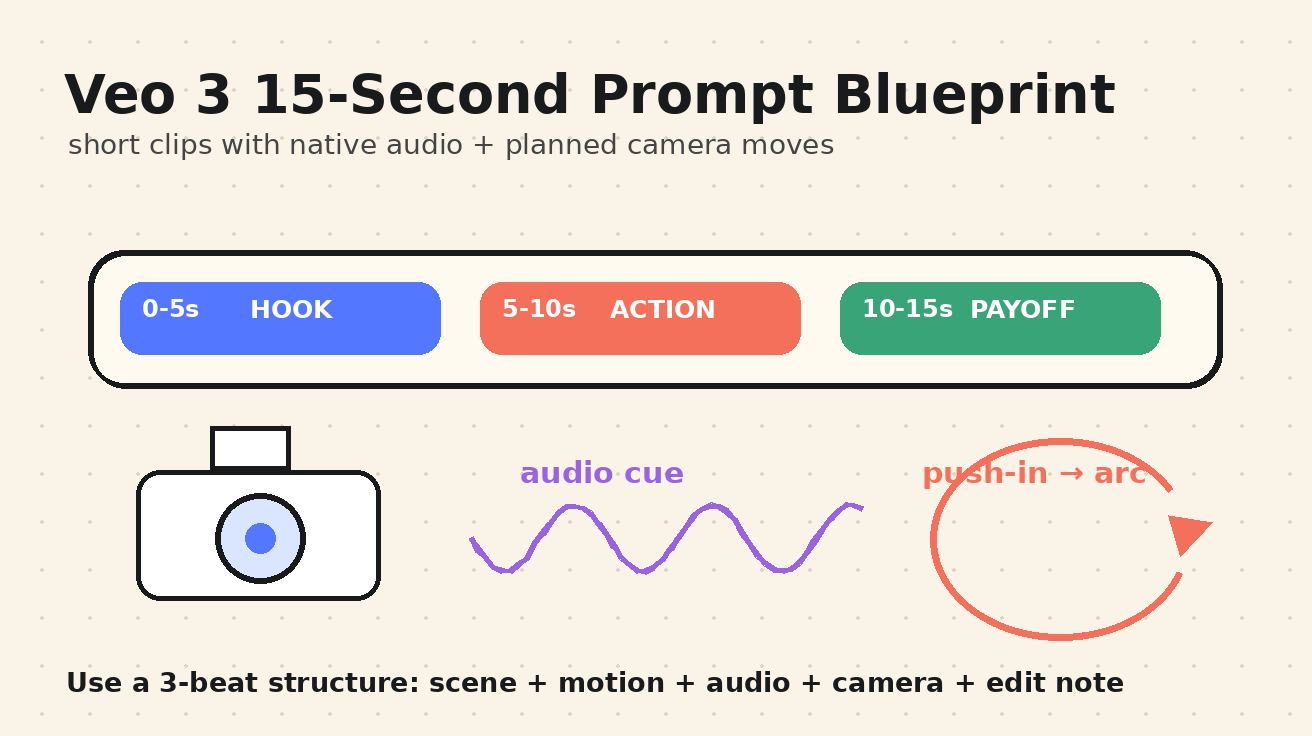
Stop improvising. Use a structured template for product demos: > "A clean product demo clip of [product] solving [problem] for [user], one subject, one action, stable camera, natural light, no readable fake UI text."
Step 4: The Scorecard Method
Turn subjective experiments into production decisions. Rate every generation on a 1–5 scale based on prompt match, visual continuity, and brand safety. Do not just score "beauty"—score "editability."
Step 5: Edit-First Review
Treat the first generation as raw footage, not a final asset. Look for the strongest motion moments and identify the specific frames where the AI begins to hallucinate. This allows you to trim and keep only the usable segments for your timeline.
Common Mistakes to Avoid
- Treating Test Access as a Guarantee: Free access, credit counts, and export rules are subject to change. Never promise a client a deadline based on free-tier availability.
- Over-Prompting: Large, sprawling prompts are difficult to "repair" if they fail. Short, scene-specific prompts are easier to regenerate and sequence into a coherent story.
Internal Linking and Next Steps
If you find yourself hitting technical bottlenecks, explore our deep dives into specific control methods:
- Mastering movement: Veo 3 Camera Control Prompts
- Maintaining visual identity: Veo 3 Image Reference Workflow
Final Recommendation
The most reliable way to scale your video output is to standardize the production process. Keep your structure stable, iterate section by section, and only scale the workflows that prove their performance through your scorecard.
For more resources and templates, visit the VeoNano Workflow Hub.
FAQs
Can this workflow work for a solo creator?
Absolutely. Start with a small weekly scope and reuse the same prompt templates to build a consistent style without a full production team.
How many variants should I test per post?
Testing 2 to 4 focused variations is usually sufficient to identify which prompt structure or model handles your specific subject matter best.
Should I prioritize trends or consistency?
Use trends to gain initial reach, but rely on a consistent format system to build long-term brand recognition and memory.
Media References
- https://cdn.veonano.com/blog/seedance-2-0-free-vs-veo-3-free-2026/20260505071533-mieurxkg.jpeg
- https://cdn.veonano.com/blog/seedance-2-0-free-vs-veo-3-free-2026/20260505071535-m4wf43z6.jpeg
- https://cdn.veonano.com/blog/seedance-2-0-free-vs-veo-3-free-2026/20260505071535-npy8q0f9.jpeg
- https://cdn.veonano.com/blog/seedance-2-0-free-vs-veo-3-free-2026/20260505071536-sng931w0.jpeg