Categories: AI Video Workflow, Creator Strategy, Production Process Tags: veonano, ai creation studio, ai video workflow, content strategy, creator toolkit
The Business Case for AI Video
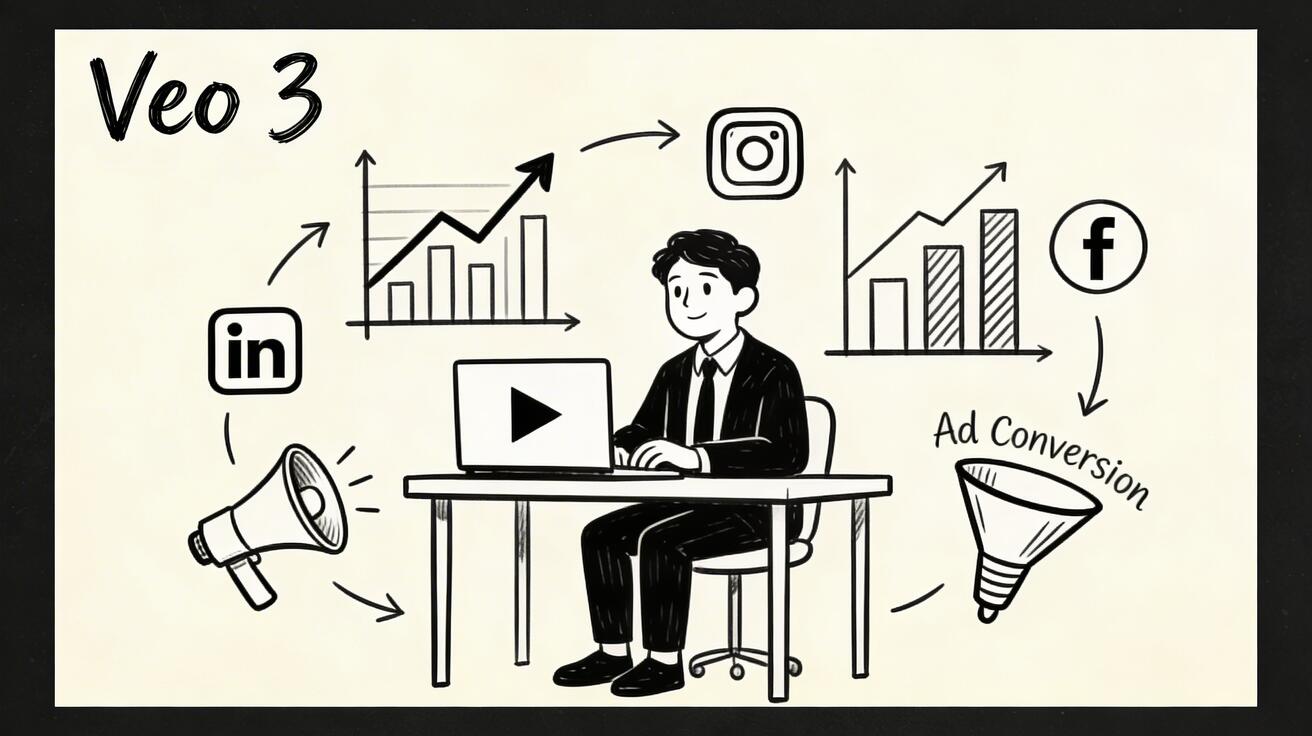
In 2026, the primary barrier to high-volume video marketing—prohibitive production costs—has been dismantled. VeoNano enables enterprises to maintain professional-grade aesthetics while scaling output. By shifting from traditional film sets to AI-driven generation, companies can bridge the "video marketing gap," ensuring that every touchpoint from social feeds to internal memos is visually engaging without breaking the budget.
High-Impact Business Use Cases
The versatility of Veo 3 allows for a wide range of commercial applications:
- Social Media Ad Creative: LinkedIn video posts currently generate 5x more engagement than text-based content. For B2B brands, native video is essential for capturing professional attention.
- Website Hero Videos: Integrating background video on landing pages can boost conversion rates by an average of 80%.
- Product Demonstrations: Create "lifestyle meets commercial" shots by prompting for specific scenarios, such as: "[Product] being used by a professional in a realistic setting, clear benefit visible, clean product photography style."
- Email Marketing: Including video thumbnails in newsletters can lead to a 65% increase in click-through rates.
Building a Sustainable Production System
The goal for a modern marketing department isn't just to produce one viral hit; it's to build a repeatable system. VeoNano facilitates this by standardizing the creation of:
- Explainer Content: Providing the necessary visuals to support "how-it-works" scripts.
- Event Promotion: Driving registrations for webinars, conferences, and product launches with high-energy teasers.
- Employer Branding: Using AI to visualize company culture and recruiting materials that show, rather than tell, what it’s like to work at your firm.
- Internal Communications: Enhancing employee all-hands meetings, onboarding, and training materials with cinematic quality.
ROI and Compliance
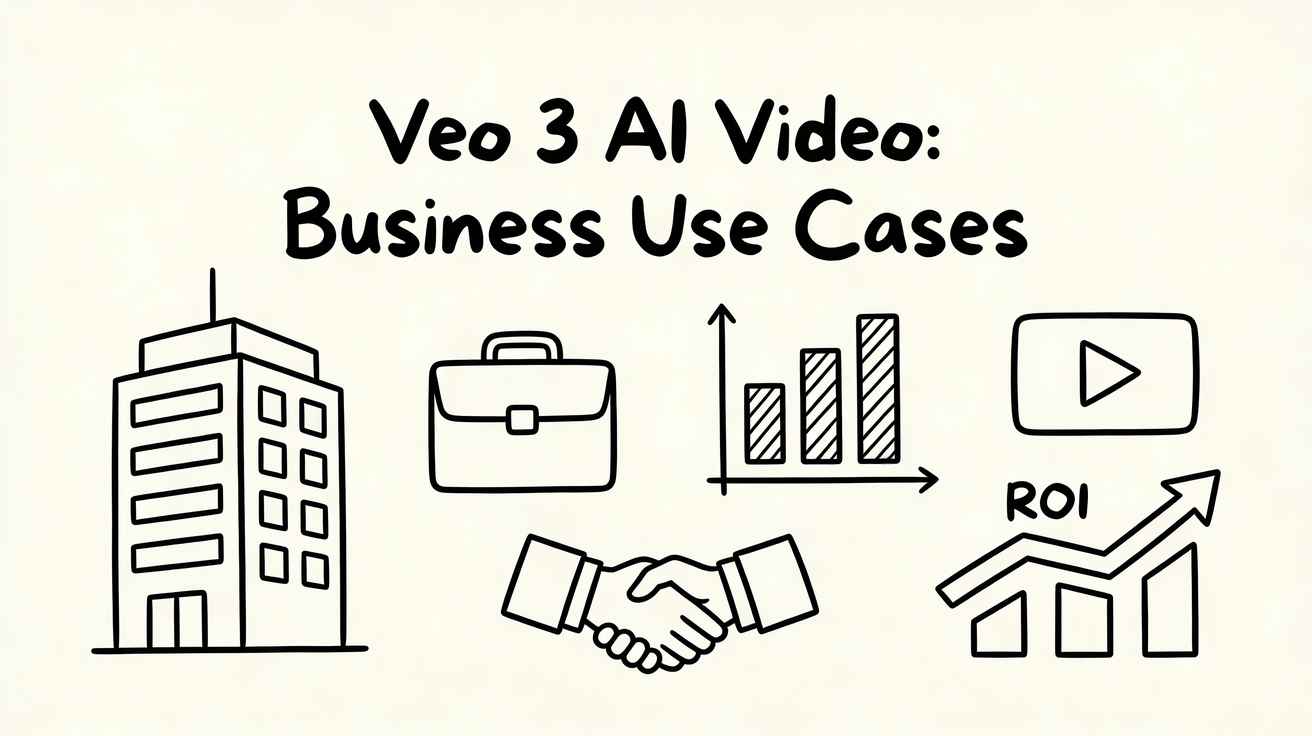
Investing in AI video isn't just about speed; it's about measurable returns. By reducing the cost per asset, businesses can afford to A/B test more variants. Furthermore, using a professional framework ensures brand safety and compliance, keeping visual outputs aligned with corporate identity and legal standards.
Practical Weekly Workflow
To get started with VeoNano, follow this structured approach:
- Define Objectives: Select 2-3 content blocks (e.g., a LinkedIn ad and a landing page hero) for the week.
- Draft Prompts: Use commercial photography styles and clear visual hooks to generate initial drafts.
- Refine & Polish: Adjust tone and structure to ensure the video meets brand guidelines.
- Analyze Performance: Use a single KPI (like CTR or engagement rate) to measure success.
- Scale: Double down on the formats that consistently outperform your baseline.
Conclusion
Standardization is the key to scaling. By using VeoNano to create a stable production pipeline, businesses can iterate faster and maintain a dominant visual presence across all digital channels.
Next Step
Explore professional AI video workflows at https://veonano.com.
FAQs
1) How does AI video impact conversion rates? Adding video to landing pages can increase conversions by up to 80%, while video thumbnails in emails can boost click-through rates by 65%.
2) Is AI video effective for B2B marketing? Yes. On platforms like LinkedIn, video content sees 5x the engagement of standard text posts, making it a critical tool for B2B lead generation.
3) Can I use AI to improve existing video types? Absolutely. AI can be used to generate professional backgrounds for testimonials or create b-roll for product explainers, increasing the overall credibility of the content.