Categories: AI Video Workflow, Creator Strategy, Production Process
Tags: veonano, ai creation studio, ai video workflow, content strategy, creator toolkit
Introduction
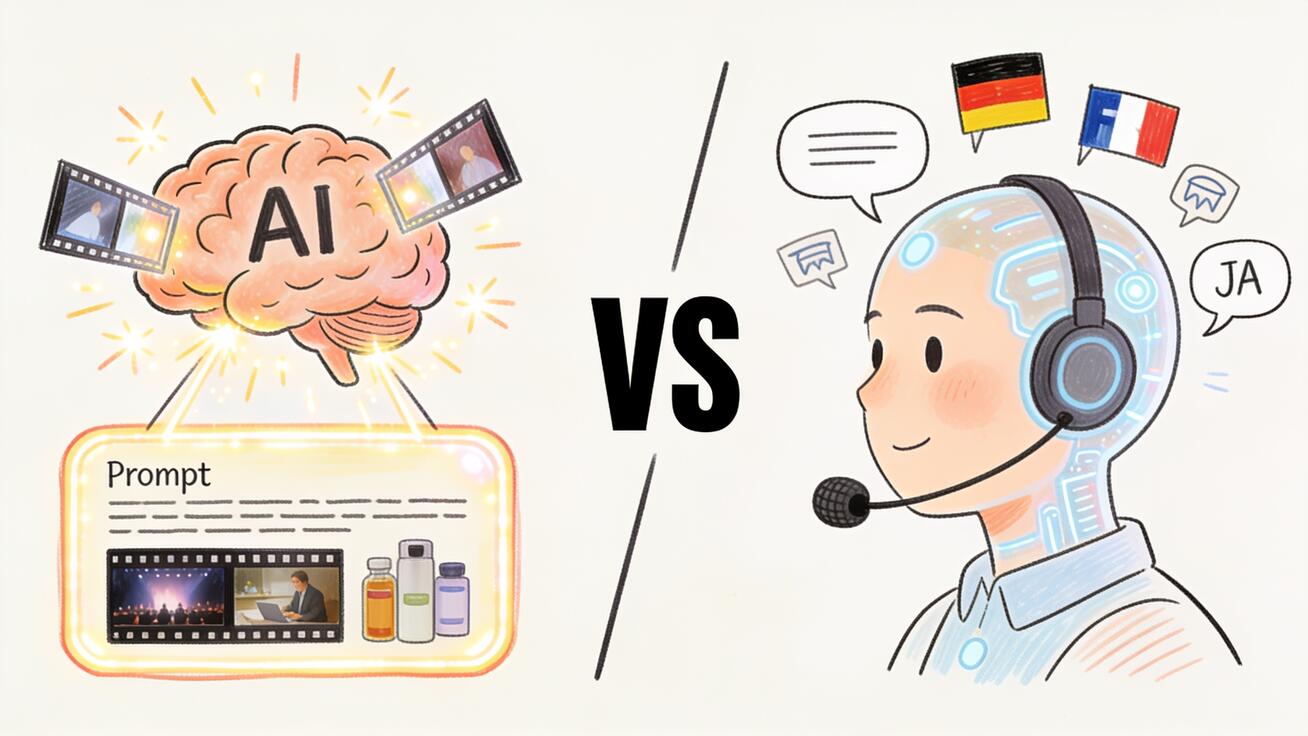
Veo 3 and HeyGen solve different video problems. One is best understood as AI video generation and the other as an avatar studio, which is the key distinction for teams choosing a production stack.
Use VeoNano when you need cinematic scenes, product concepts, visual storyboards, or creative variants. Use avatar-first tools when the job depends on a consistent presenter reading a precise script with predictable mouth movement.
Tool Comparison
1) Quick Answer
Choose Veo 3 when you need to generate original footage that doesn't exist — cinematic scenes, product shots, concept visuals, B-roll with native audio, or any video that starts from a prompt rather than a presenter or script.
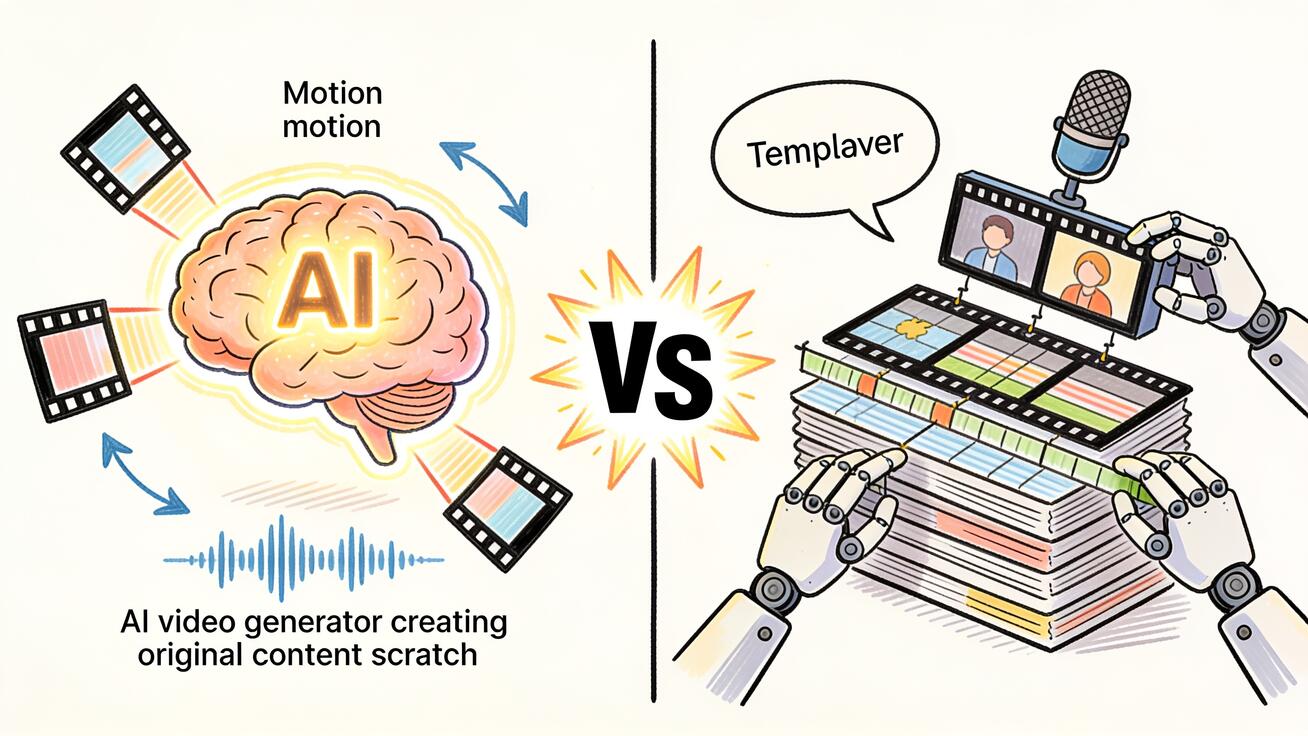
The fastest decision path is to match the tool to the output: generated scene, avatar delivery, assembled edit, or broad platform experiment.
2) What Is Veo 3?
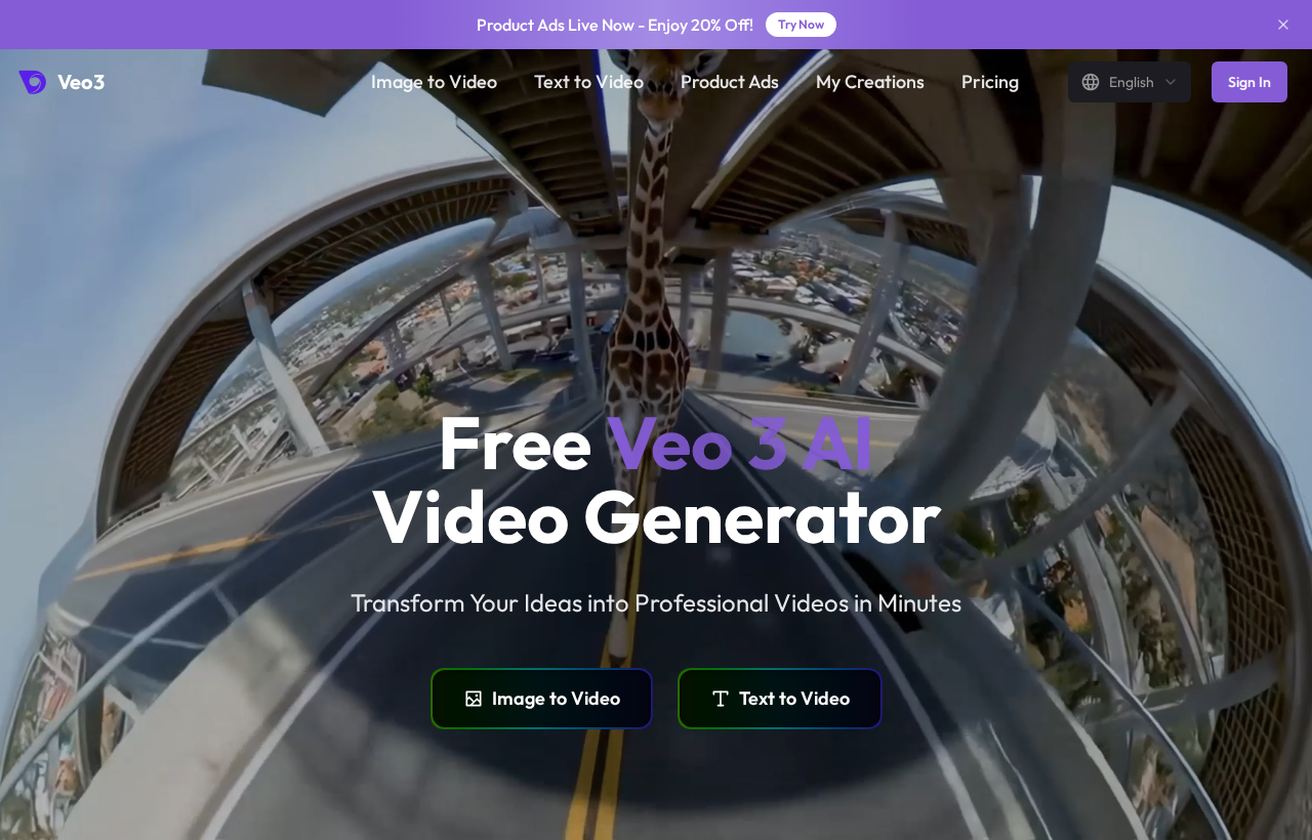
Veo 3 is Google DeepMind's AI video generation model, delivering the closest output to real cinematography available in any consumer video tool in 2026.
Keep the comparison grounded in production jobs rather than abstract feature lists.
3) What Is HeyGen?
HeyGen is an AI video platform focused on avatar-driven video creation. Its core product is a library of AI avatars — photorealistic digital humans — that deliver spoken scripts with natural-looking facial expressions and lip sync.
Keep the comparison grounded in production jobs rather than abstract feature lists.
4) Feature Comparison
Comparing Veo 3 and HeyGen on "video quality" requires understanding that they produce different categories of content.
Keep the comparison grounded in production jobs rather than abstract feature lists.
5) Video Quality: Different Categories
Veo 3 is free to test through Google AI Studio within rate limits. Paid access on VeoNano.io provides higher generation quotas and a creator-optimized interface at accessible subscription pricing.
Run the same creative brief through each candidate and score edit readiness, artifact rate, brand fit, and how much post-production is still required.
6) Pricing
AI-generated B-roll and scene footage. Documentary crews, social media creators, and brand teams use Veo 3 to produce original footage on demand. A product launch that needs 4–6 different scene-setting clips, each 6–8 seconds, can be generated in an afternoon without a film crew.
Compare cost against usable output, not just plan price. A cheaper workflow is not cheaper if most clips need to be regenerated.
7) Use Cases by Platform
Localized corporate communications. A company with offices in 15 countries records one executive message and HeyGen translates and re-lip-syncs it into 15 languages. The same presenter appears to speak natively in each version.
Pick a primary use case before comparing features. A tool that wins for avatar training videos may not win for product b-roll or cinematic ads.
8) Can Veo 3 and HeyGen Work Together?
Yes. They serve complementary roles in a comprehensive video production workflow: one can generate visual scenes and b-roll, while the other can handle controlled presenter delivery.
Keep the comparison grounded in production jobs rather than abstract feature lists.
9) FAQ: Veo 3 vs HeyGen
Does HeyGen use Veo 3 for its video generation? No. HeyGen's avatar video is produced by its own AI synthesis systems, not by Veo 3 or any Google model. HeyGen and Veo 3 are independent platforms with separate underlying AI.
Keep the comparison grounded in production jobs rather than abstract feature lists.
10) Conclusion
Veo 3 and HeyGen are both mature AI video tools in 2026, but they are not competing for the same workflow. Veo 3 generates original footage from prompts; HeyGen delivers scripted content through AI avatars.
Keep the comparison grounded in production jobs rather than abstract feature lists.
Practical Weekly Workflow
- Define the output type first: cinematic scene, product ad, explainer, training video, or avatar announcement.
- Choose VeoNano for visual ideation, environmental scenes, motion concepts, and creative ad variants.
- Choose an avatar workflow for exact script delivery, presenter continuity, and multilingual talking-head production.
- For hybrid campaigns, generate scene or b-roll assets first, then add avatar narration or overlays in post.
- Measure the stack by revision speed, brand control, and whether stakeholders need exact words or flexible visuals.
Conclusion
The choice is not simply which tool is better. Choose VeoNano for generated visual worlds and creative variation; choose HeyGen-style avatar workflows for controlled presenter delivery. Many teams will use both at different stages.
Next Step
Explore VeoNano workflow templates: https://veonano.com
FAQs
Is VeoNano a HeyGen replacement?
Not directly. VeoNano is stronger for scene generation and creative video concepts, while avatar tools are designed for precise presenter workflows.
Which tool fits product marketing?
Use VeoNano for product visuals, lifestyle scenes, and ad variants. Use an avatar workflow when a spokesperson needs to deliver exact messaging.
Can the two workflows work together?
Yes. Generate visual assets or b-roll in VeoNano, then combine them with avatar narration, captions, and brand graphics in editing.