The landscape of AI video generation has reached a fever pitch in 2026. For creators using the VeoNano framework, choosing between industry titans like Veo 3 and Kling AI is no longer just about resolution—it’s about workflow integration, sensory depth, and regional availability.
Veo 3 vs Kling AI: At a Glance
Veo 3 has established itself as the industry benchmark for visual fidelity. It excels in photorealism, particularly in scenes with subtle movement or static subjects. However, the competition remains fierce as Kling AI, developed by Kuaishou, prioritizes a more cinematic, high-action approach.

Video Quality and Motion Dynamics
The choice between these two platforms often comes down to the "vibe" of your production:
- Veo 3: The winner for pure photorealism. If your project requires lifelike textures and believable human features in controlled environments, Veo 3 is the superior tool.
- Kling AI: The champion of dynamic motion. Kling AI is better suited for complex camera movements, high-speed action, and stylistic versatility that leans into a cinematic aesthetic.
Audio Capabilities: The Veo 3 Edge
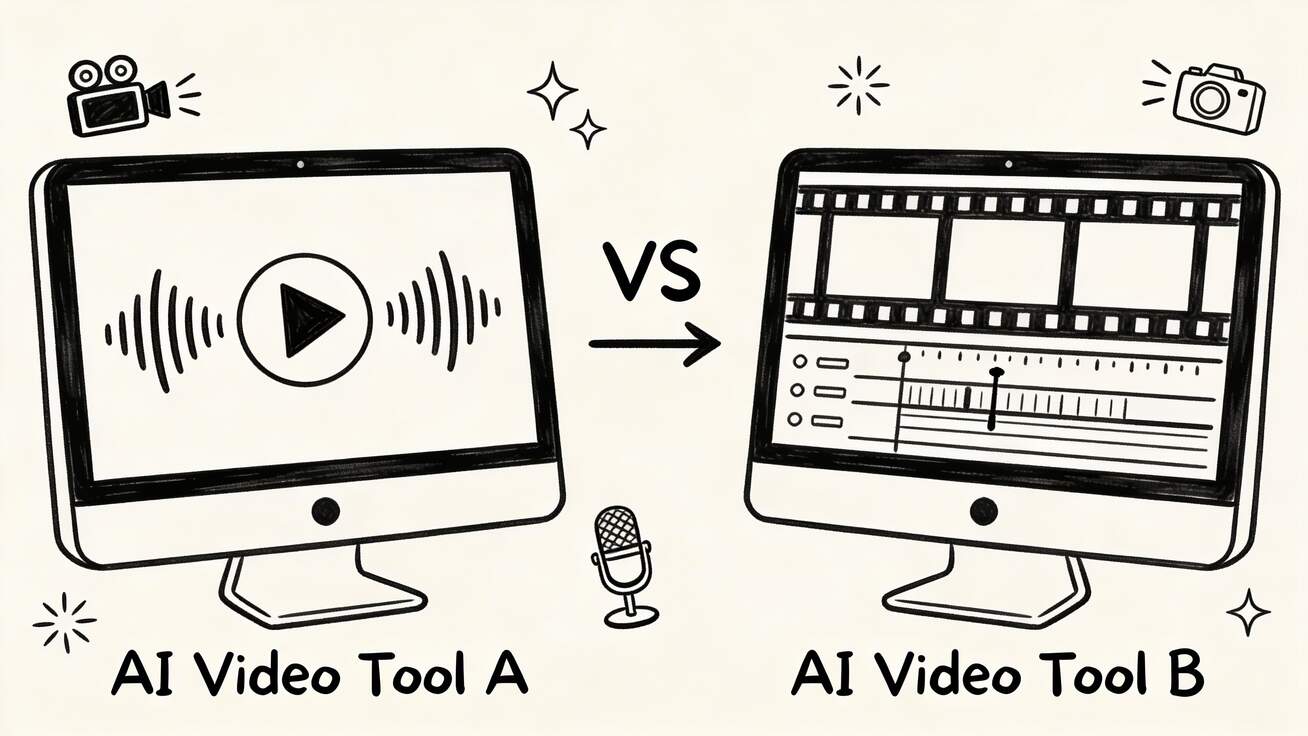
The most significant differentiator in 2026 is audio. While Kling AI offers limited sound support, Veo 3 provides a revolutionary native audio generation system. When you prompt Veo 3, you aren't just getting a silent clip; you receive a synchronized audio-visual experience. This makes it the go-to for narrative filmmakers and short-form creators who want to skip the tedious process of external sound design.
Pricing, Value, and Accessibility
For high-volume creators, the financial math favors Kling AI. On average, Kling provides 2 to 3 times more video generations per dollar than Veo 3.
Veo 3 is often tied to the Google One AI Premium subscription, which includes a monthly quota that many power users find restrictive. Once the limit is reached, creators must rely on more expensive pay-per-use supplements.
Furthermore, accessibility remains a hurdle for Veo 3, which is currently focused on North American and Western European markets. In contrast, Kling AI has prioritized global availability, making it the more reliable choice for international production teams.
Use Case Analysis: Which Should You Choose?
- Choose Veo 3 if: You are a filmmaker or director focused on narrative storytelling, high-end photorealism, and integrated sound design.
- Choose Kling AI if: You are a high-volume content creator who needs dynamic action shots, stylistic variety, and the best possible value for your budget.
The Verdict
While Veo 3 offers a more "complete" cinematic package through its audio-visual synchronization, Kling AI wins on sheer accessibility and cost-efficiency. For the VeoNano community, the best strategy often involves a hybrid approach: using Veo 3 for hero shots and narrative depth, while leveraging Kling AI for high-energy transitions and volume-heavy social content.
Frequently Asked Questions
1) Is Veo 3 available worldwide?
No. Currently, Veo 3 has significant regional restrictions, primarily serving North America and Western Europe. Kling AI is much more accessible to international creators.
2) Which tool is better for social media creators?
Kling AI generally offers better value for money and more stylistic flexibility, which is often preferred for the fast-paced nature of social platforms.
3) Does Kling AI generate sound?
Kling AI has very limited audio features compared to Veo 3’s robust, native audio-visual generation system.
Next Step: Optimize your production by exploring VeoNano workflow templates.