Categories: AI Video Workflow, Creator Strategy, Production Process
Tags: veonano, ai creation studio, ai video workflow, content strategy, creator toolkit
Introduction
As we move through 2026, the competition between AI video generators has reached a fever pitch. For creators using the VeoNano framework, choosing the right engine is the difference between a professional-grade production and a clip filled with digital artifacts. This guide breaks down the head-to-head battle between Google’s Veo 3 and Luma AI’s Dream Machine to help you optimize your creative pipeline.
What is Veo 3?
Veo 3 stands as Google’s premier AI video generation model. It represents the peak of the tech giant’s multimedia research, integrated directly into the Google ecosystem via YouTube and VideoFX. Building on years of iterative development, Veo 3 is designed for creators who require deep integration with existing video platforms and high-fidelity output.
What is Luma AI Dream Machine?
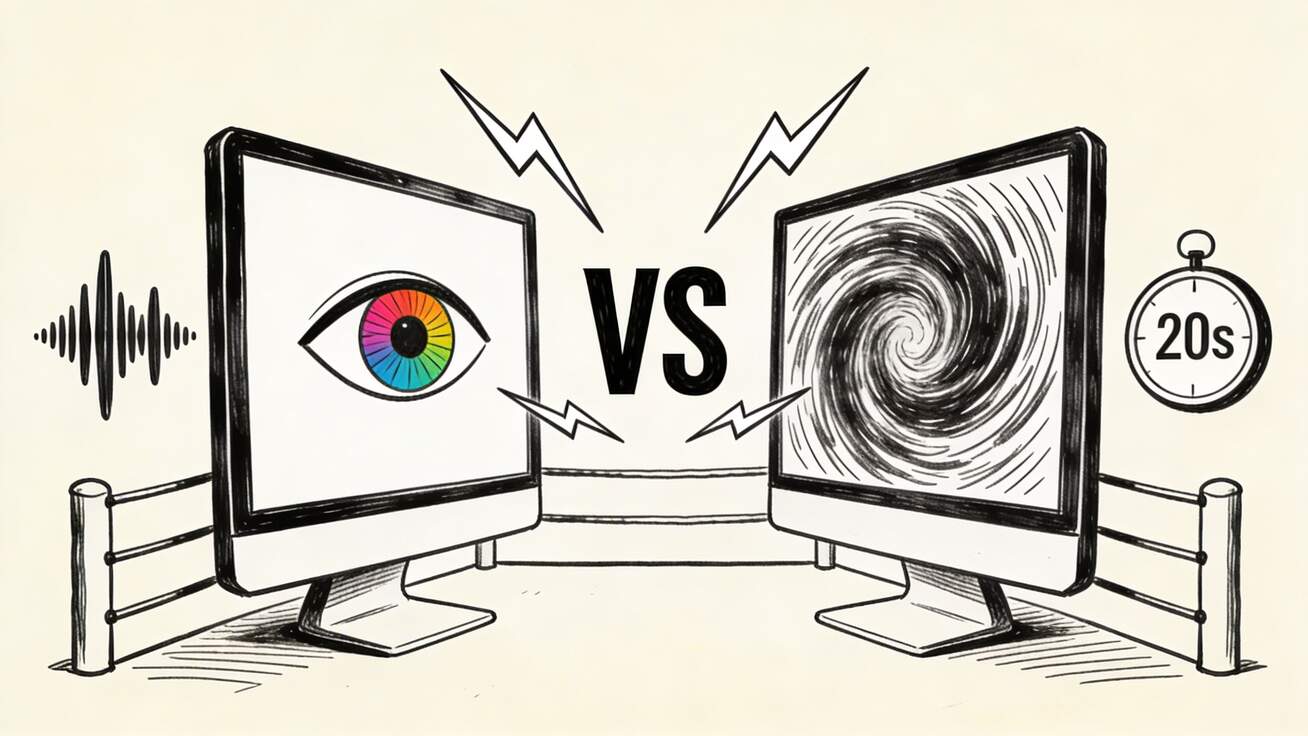
Luma AI Dream Machine is the high-speed challenger from Luma Labs. Originally famous for their breakthroughs in Neural Radiance Fields (NeRF) and 3D modeling, Luma Labs pivoted their spatial intelligence expertise toward video. Dream Machine is built for agility, offering rapid generation times that appeal to creators needing quick turnarounds.
Feature Comparison: Video Quality and Resolution
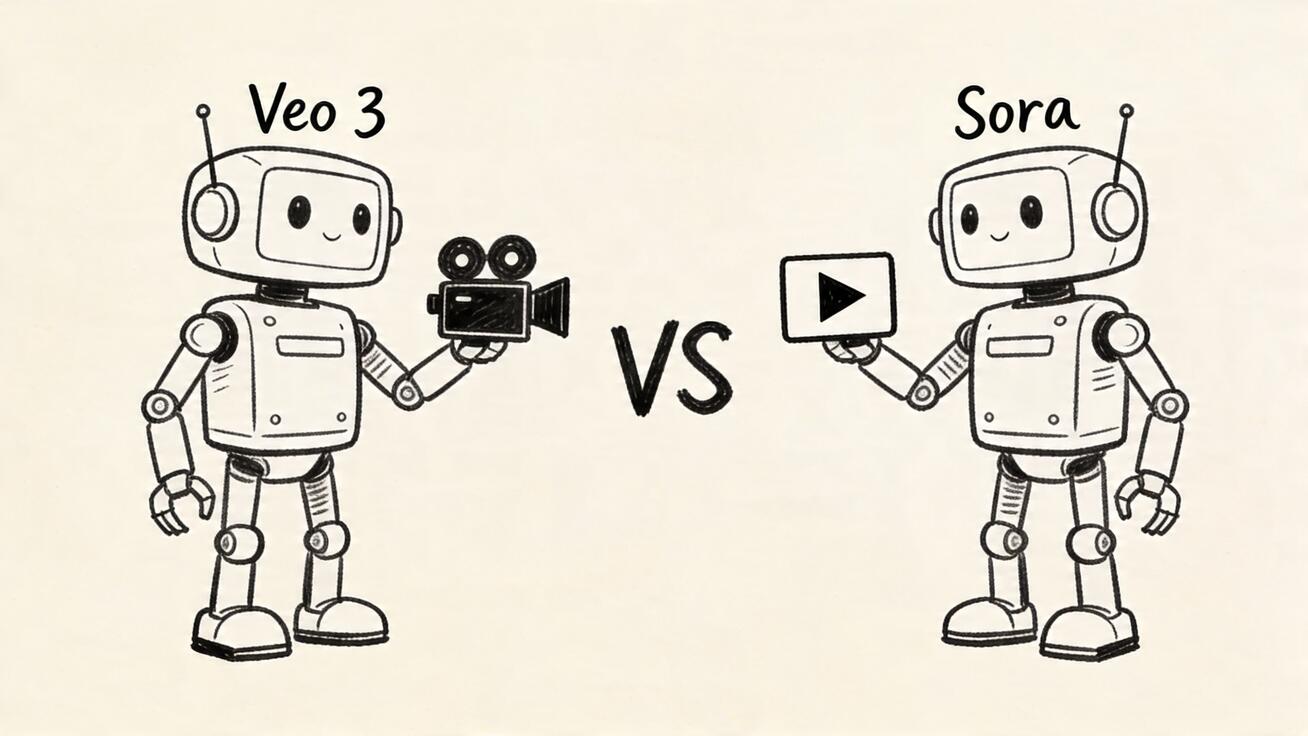
When comparing Veo 3 vs. Luma, the visual gap is noticeable to professional editors. Veo 3 currently holds the crown for raw quality, utilizing Google’s massive computational power to deliver 4K content. This high resolution is a game-changer for professional workflows, allowing for cropping and reframing without losing essential detail.
While Dream Machine produces impressive visuals, it prioritizes speed. In side-by-side tests, Veo 3 consistently delivers sharper textures and more coherent frames, making it the preferred choice for large-scale displays and high-end presentations.
Realism and Physics Accuracy
The "uncanny valley" remains the biggest hurdle in AI video. Veo 3 excels here by demonstrating a superior grasp of physical reality. Whether it’s the way fabric moves or how light interacts with surfaces, Veo 3 maintains a level of consistency that feels grounded.
In contrast, Dream Machine—while highly capable—can still exhibit characteristic AI artifacts. For commercial advertising or filmmaking where every frame is scrutinized, Veo 3’s physics engine provides a more reliable foundation for realistic storytelling.
Audio Generation: The Game-Changing Difference
Perhaps the most significant divide in this comparison is the approach to sound. Veo 3 leverages Google’s broader AI research to integrate sophisticated audio generation, creating a more immersive "out-of-the-box" experience. While Luma focuses heavily on the visual and spatial aspects of the video, the integrated audio capabilities of Veo 3 streamline the production process for creators who want a finished product faster.
Use Cases: When to Choose Which Tool
- Choose Veo 3 if: You are producing professional commercials, high-resolution films, or content that requires strict adherence to physical laws and integrated audio.
- Choose Dream Machine if: You need rapid prototyping, quick social media assets, or are leveraging Luma’s unique 3D spatial heritage for experimental visuals.
Which Should You Choose in 2026?
For the VeoNano community, the choice depends on your specific output goals. If your priority is professional-grade 4K consistency and realism, Veo 3 is the current market leader. However, for creators who value speed and are working on iterative, fast-paced projects, Dream Machine remains a formidable and highly accessible alternative.
Practical Weekly Workflow
- Define Objectives: Select 2 to 3 core scenes for your project.
- Drafting: Use Veo 3 for your "hero" shots and Dream Machine for rapid storyboard testing.
- Refinement: Improve structure and tone within the VeoNano editor.
- Measurement: Compare engagement metrics between high-fidelity and high-speed variants.
- Scale: Standardize the format that yields the highest viewer retention.
Conclusion
Scaling content in 2026 requires a standardized production system. By understanding the strengths of Veo 3’s realism versus Dream Machine’s speed, you can build a more resilient creative workflow. Keep your structure stable, iterate often, and use the tool that best fits the specific needs of your brand.
Next Step
Optimize your production today with VeoNano workflow templates.
FAQs
1) Can this workflow work for a solo creator? Absolutely. Start with a small scope and use these AI tools to handle the heavy lifting of generation while you focus on strategy.
2) How many variants should I test per post? We recommend testing 2 to 4 variants to identify which AI model resonates best with your specific audience.
3) Should I prioritize resolution or speed? For long-term brand authority, prioritize the resolution and realism of Veo 3. For trending, short-lived content, the speed of Dream Machine is often more advantageous.