Categories: AI Video Workflow, Creator Strategy, Production Process
Tags: veonano, ai creation studio, ai video workflow, content strategy, creator toolkit
Introduction
A useful comparison focuses on video quality, audio generation, pricing, prompt writing, use cases, and platform access. For creators, those categories matter more than generic feature lists because they map directly to production decisions.
Use VeoNano when you need a controlled AI creation workflow around specific visual outputs. Compare alternatives by how well they handle prompt precision, audio needs, revision speed, output quality, and the type of campaigns you actually ship.
Tool Comparison
1) Quick Answer
Veo 3 is the better choice for high-quality cinematic video with native audio generation. If you want clips that look and sound professionally produced, Veo 3 is the stronger model.
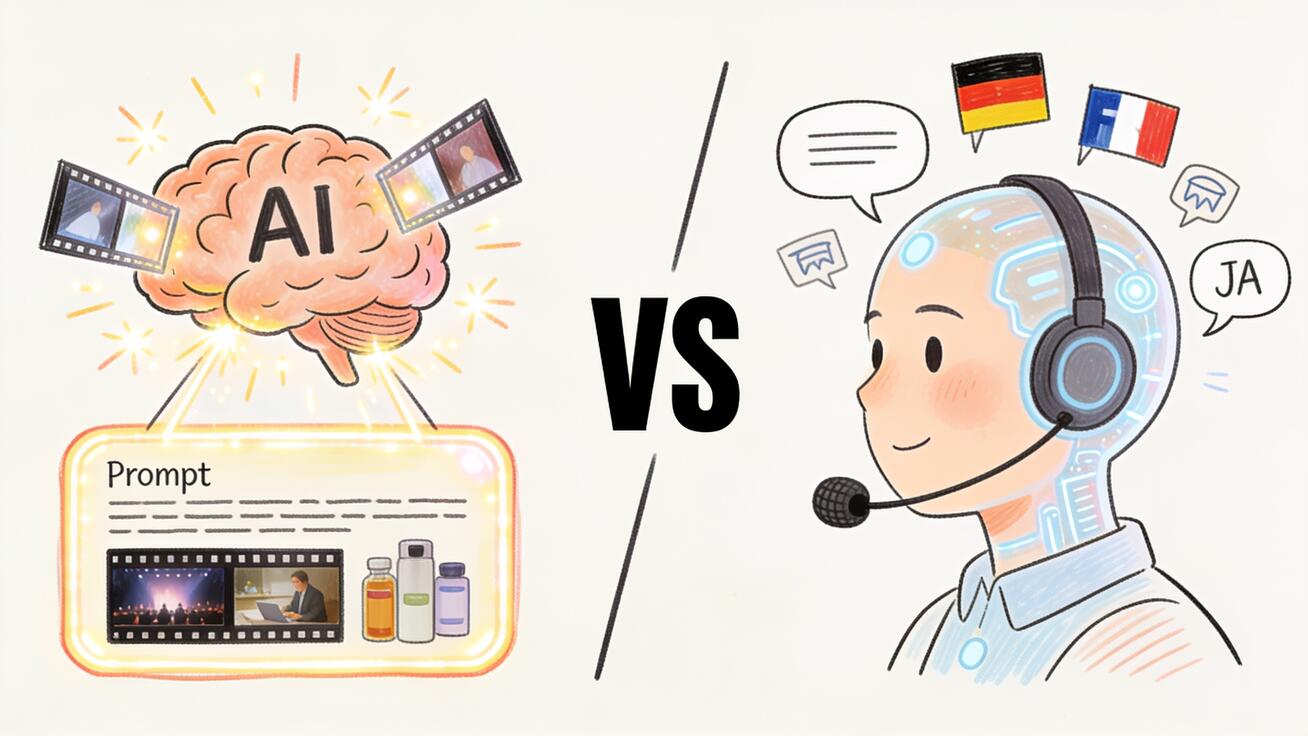
The fastest decision path is to match the tool to the output: generated scene, avatar delivery, assembled edit, or broad platform experiment.
2) What Is Veo 3?
Veo 3 is Google DeepMind's third-generation AI video model. It launched in 2025 as part of Google's broader push into generative AI media and has become the reference standard for quality AI video in 2026.
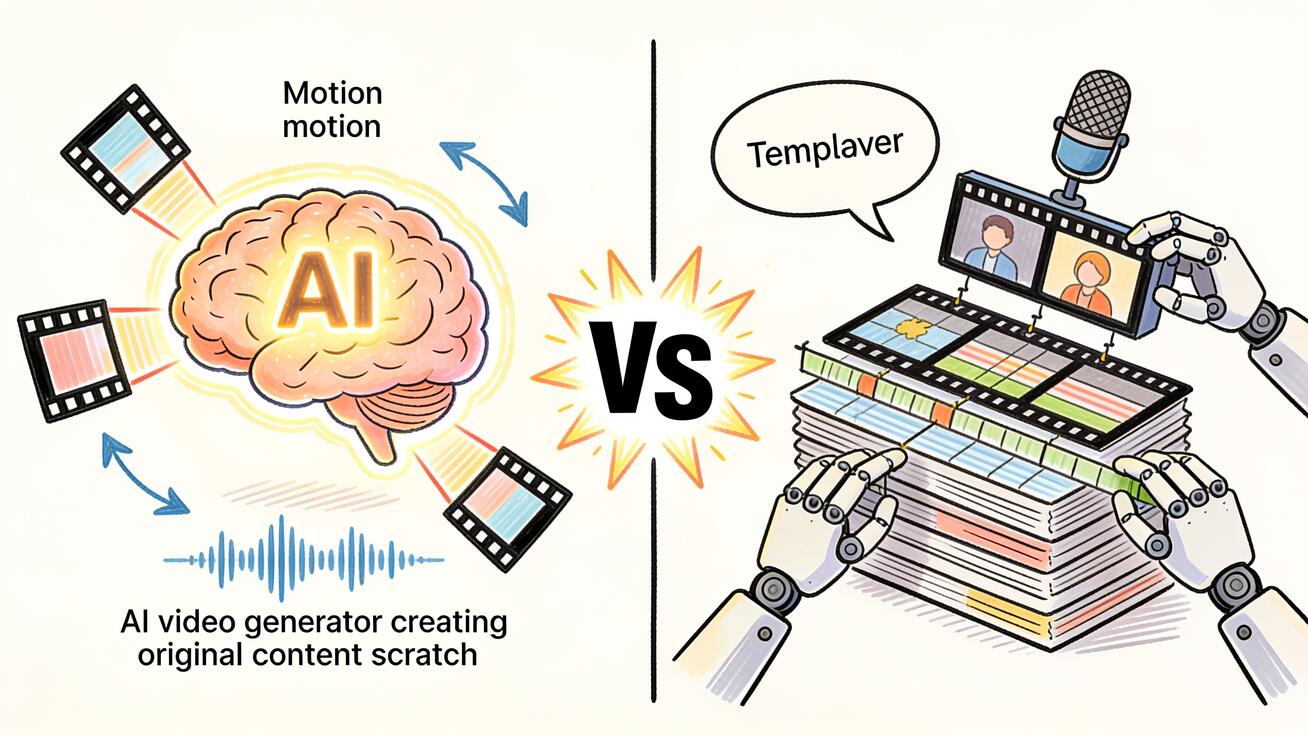
Keep the comparison grounded in production jobs rather than abstract feature lists.
3) What Is Pollo AI?
Pollo AI is an AI video generation platform that launched in 2024 and has grown rapidly on the strength of its accessibility and pricing. Unlike Veo 3, which uses a single underlying model, Pollo AI aggregates multiple AI video models and presents them through a unified interface...
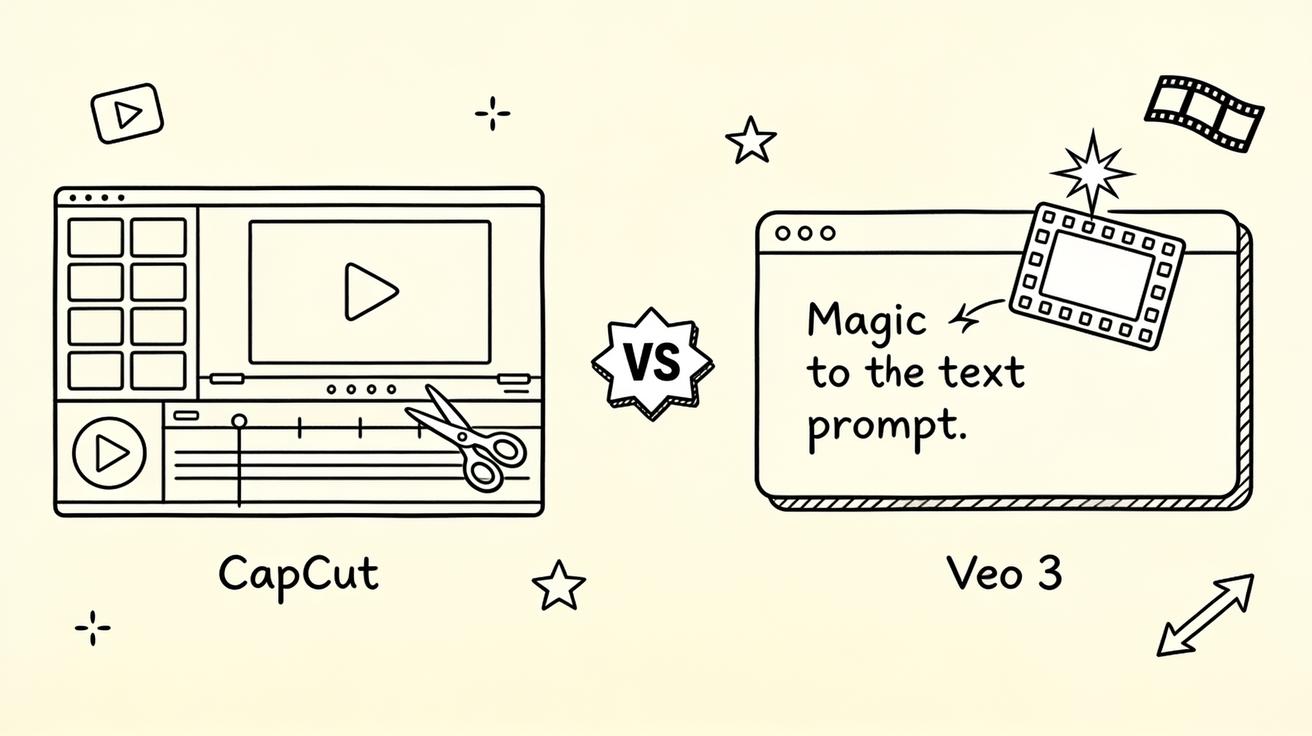
Keep the comparison grounded in production jobs rather than abstract feature lists.
4) Veo 3 vs Pollo AI: Feature Comparison Table
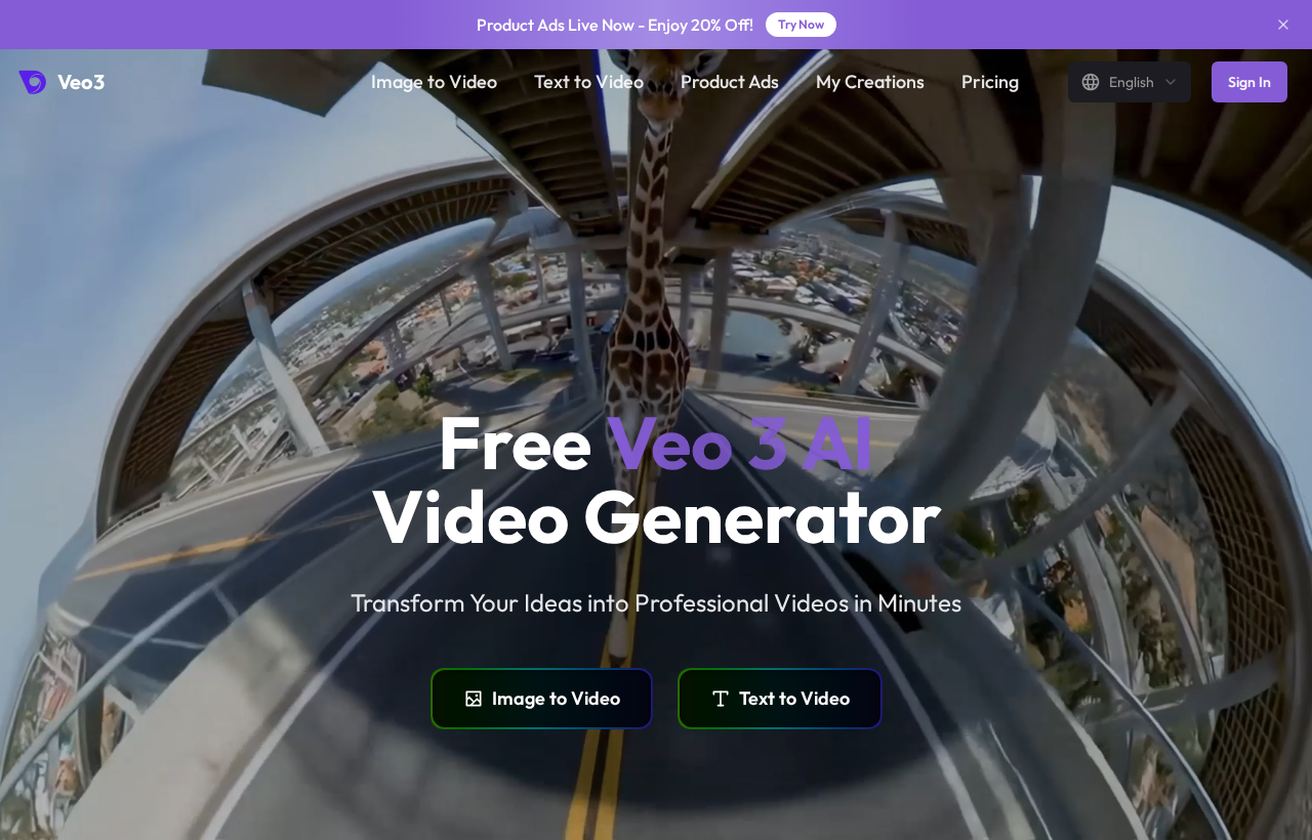
Veo 3 produces the closest output to real cinematography available in any AI video tool in 2026. Its understanding of physical environments is exceptional: water behaves realistically, fabric moves with appropriate physics, smoke and particle effects look natural, and crowd movem...
Keep the comparison grounded in production jobs rather than abstract feature lists.
5) Video Quality: An Honest Assessment
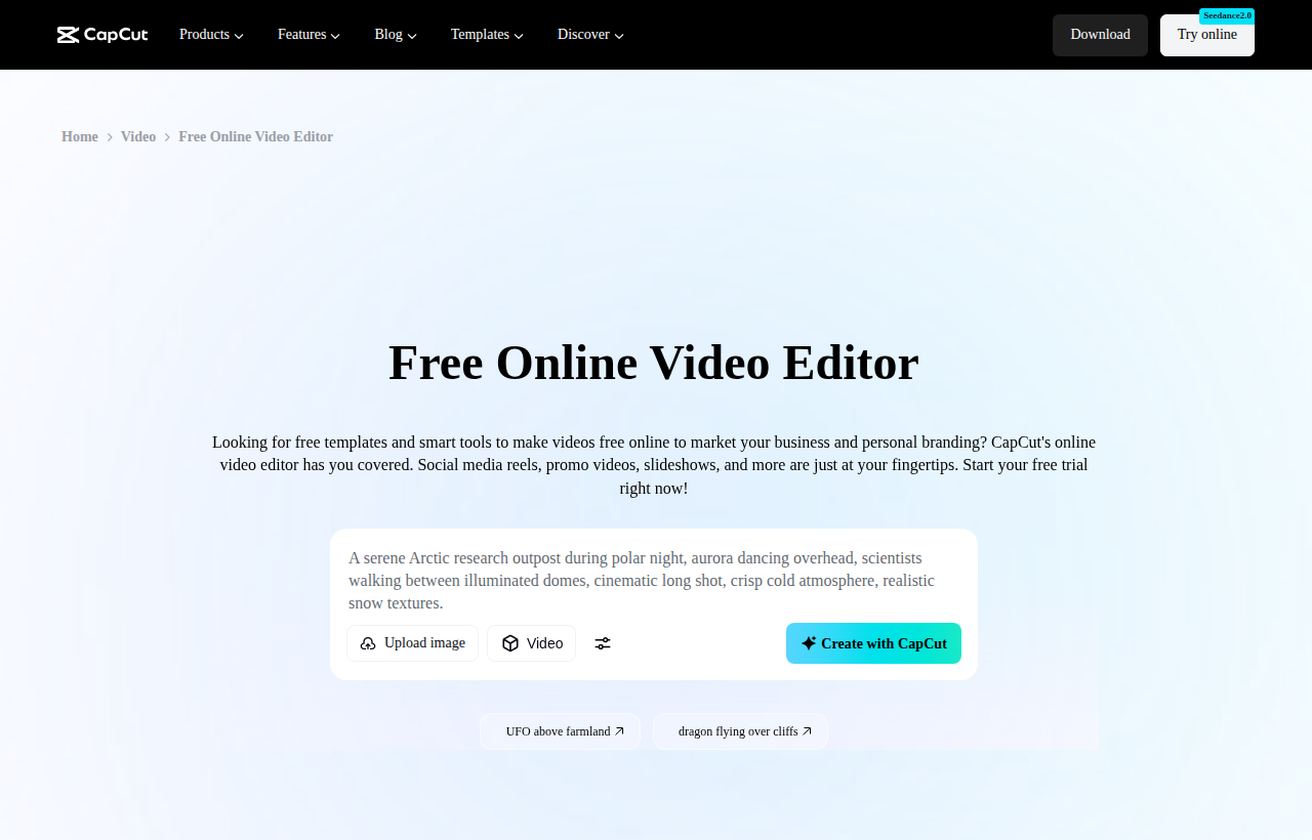
Pollo AI's output quality is good and has improved substantially with successive model updates. At its best, it produces smooth, clean video that performs well for social media content.
Run the same creative brief through each candidate and score edit readiness, artifact rate, brand fit, and how much post-production is still required.
6) Audio Generation: The Defining Differentiator
The most significant difference between Veo 3 and Pollo AI is audio.
Keep the comparison grounded in production jobs rather than abstract feature lists.
7) Pricing Comparison
Veo 3 is accessible for free through Google AI Studio with rate limits. Paid tiers provide higher generation quotas and faster processing. On VeoNano.io, you get a dedicated Veo 3 interface with creator-focused features at subscription pricing.
Compare cost against usable output, not just plan price. A cheaper workflow is not cheaper if most clips need to be regenerated.
8) Prompt Writing: Different Approaches
Pollo AI uses a credit-based system with free credits available on account creation. Standard plans are positioned at competitive per-clip pricing compared to premium AI video tools.
Keep the comparison grounded in production jobs rather than abstract feature lists.
9) Use Case Analysis
For creators generating 10–20 clips per month where quality is the priority: Veo 3 on a paid plan or via VeoNano.io is the better investment—the audio generation alone eliminates a production step that would otherwise require separate tool costs or time.
Pick a primary use case before comparing features. A tool that wins for avatar training videos may not win for product b-roll or cinematic ads.
10) Platform Accessibility
Veo 3 responds well to cinematic and descriptive prompts. The model understands cinematography vocabulary, lighting references, and physical environment descriptions. More detail tends to produce better results.
Keep the comparison grounded in production jobs rather than abstract feature lists.
Practical Weekly Workflow
- List the required output: product ad, cinematic clip, social b-roll, avatar-style presenter, or experiment batch.
- Compare tools on prompt control, reference support, native audio needs, pricing, and how quickly you can revise.
- Run the same brief through each platform with one consistent success metric.
- Use VeoNano for the variants that require disciplined prompt iteration and a clean publishing handoff.
- Keep a short decision log so future campaigns do not repeat the same tool comparison from scratch.
Conclusion
A useful tool comparison ends with a production rule. Pick the platform that fits the job, not the longest feature table. For many teams, VeoNano is the practical workspace for controlled AI video experiments and repeatable campaign assets.
Next Step
Explore VeoNano workflow templates: https://veonano.com
FAQs
What should I compare first?
Compare output quality on the exact content you plan to publish, then review audio, prompt control, revision speed, and cost.
Is native audio the deciding factor?
It can be for dialogue-heavy clips. For product ads, b-roll, and visual concepts, image quality and prompt control may matter more.
How do I avoid subjective comparisons?
Use the same brief, same reference assets, and one scoring sheet across tools. Judge product accuracy, motion quality, brand fit, and edit readiness.