Categories: AI Video Workflow, Creator Strategy, Production Process
Tags: veonano, ai creation studio, ai video workflow, content strategy, creator toolkit
Quick Verdict: Choosing Your Engine
In 2026, the choice between Google’s Veo 3 and OpenAI’s Sora 2 comes down to your specific production needs. Veo 3 is the current champion of physical realism and cinematic texture, while Sora 2 has evolved into a powerhouse for long-form narrative consistency. At VeoNano, we’ve analyzed how these tools integrate into a professional workflow to help you decide where to invest your rendering credits.
The Contenders
Veo 3: The Realism Specialist
Google’s third-generation model is built on a foundation of real-world physics. By training on massive datasets of actual cinematography, Veo 3 generates footage that mimics the nuances of a physical camera—capturing natural motion and light in a way that feels authentic rather than synthetic.
Sora 2: The Narrative Powerhouse
OpenAI has addressed the "uncanny valley" issues of its predecessor. Sora 2 excels in prompt adherence and maintaining character or environmental consistency over longer durations. It is designed for creators who need their AI to follow complex instructions without losing the plot halfway through a clip.
Head-to-Head: Video Quality Analysis
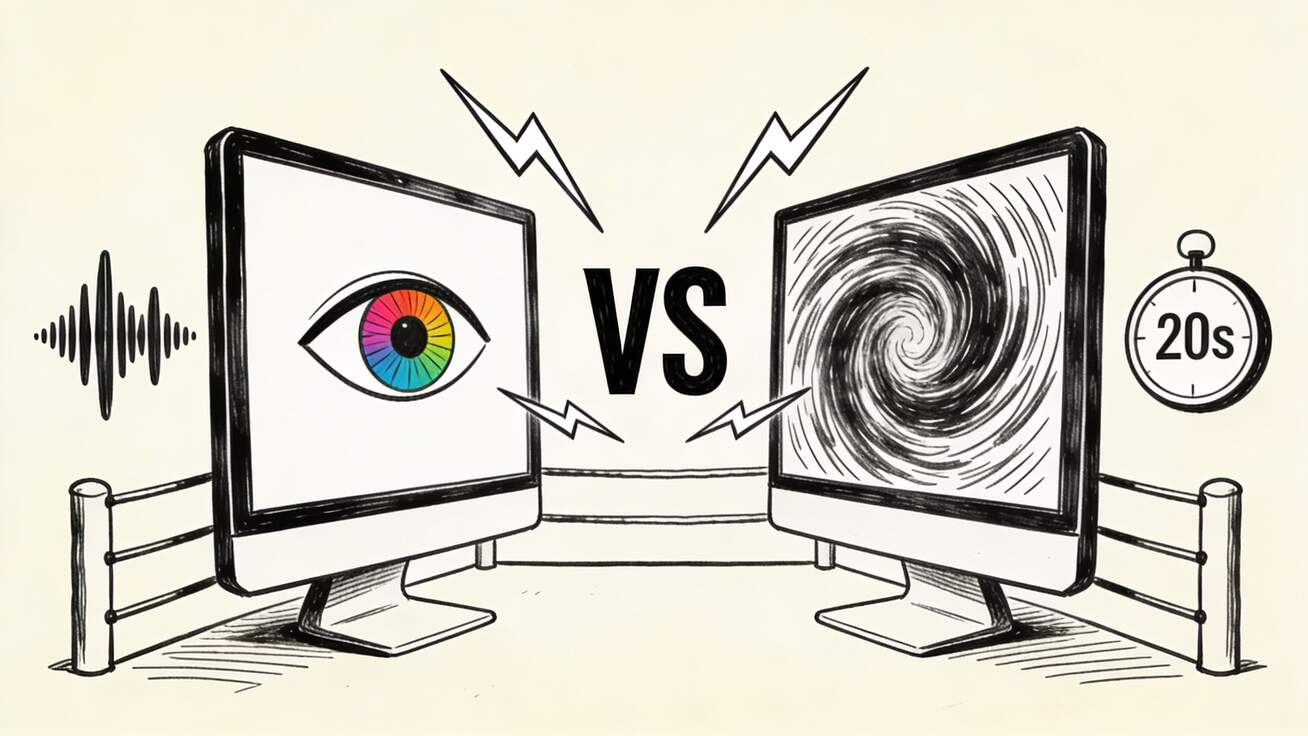
When we put both models through identical stress tests, distinct visual signatures emerged.
- Prompt: "A golden retriever running through a sunflower field at golden hour, slow motion, cinematic"
- Veo 3 Result: Exceptional light interaction with the fur and petals; the physics of the dog's movement felt grounded.
- Sora 2 Result: High vibrant color accuracy and excellent background stability, though slightly more "processed" in its lighting.
Speed and Pricing Reality Check
Efficiency is the backbone of any VeoNano production framework.
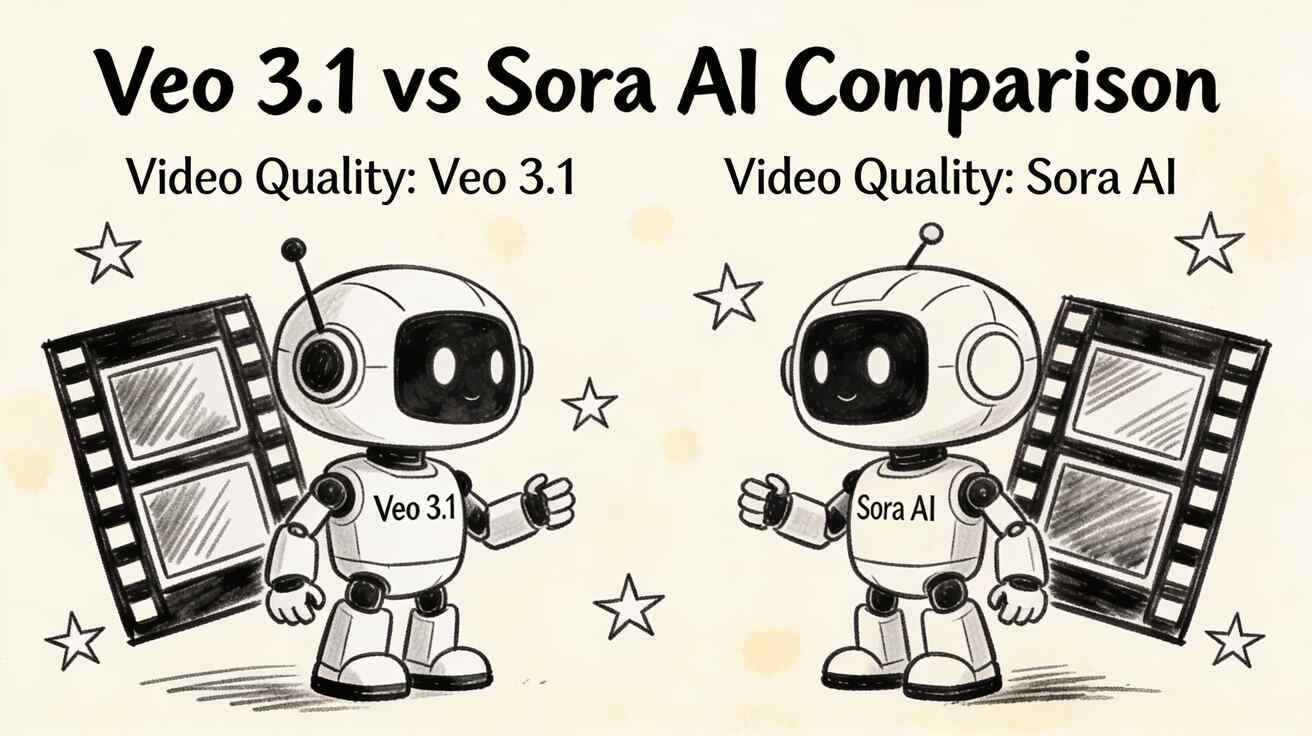
- Cost Efficiency: For high-volume creators, Veo 3 offers a significant advantage, typically running 30-50% cheaper than Sora 2 for equivalent output.
- Clip Length: Sora 2 holds a major edge for storytellers with its 20-second clip capability. While Veo 3 is optimized for shorter, high-impact shots, Sora 2 allows for more complex scene development in a single render.
Practical Use Case Recommendations
| Use Case | Recommended Tool | Why? |
|---|---|---|
| Social Media (Shorts/Reels) | Veo 3 | Better cost-per-clip and superior "real-camera" look. |
| Narrative Filmmaking | Sora 2 | 20-second clips and better prompt adherence for storytelling. |
| Macro/Abstract Visuals | Veo 3 | Higher physical accuracy for fluid dynamics and textures. |
| Complex Drone Shots | Sora 2 | Better at maintaining environmental consistency in 4K. |
Known Limitations and The Future
Neither tool is perfect. Sora 2 still faces scrutiny over its early marketing versus real-world performance, though the second iteration has closed that gap significantly. Meanwhile, both Google and OpenAI have signaled that future updates will focus on even deeper integration with traditional editing suites.
For most creators, the "winner" is the tool that fits the budget without sacrificing the specific aesthetic required for the project. If you are looking for cinematic realism at a lower price point, Veo 3 is the clear choice. If you need length and complex instruction following, Sora 2 justifies its premium.
Conclusion: Standardizing Your Workflow
The most reliable way to scale content in 2026 is to standardize your production blocks. Whether you choose the physical accuracy of Veo 3 or the narrative strength of Sora 2, the key is consistency.
Next Step: Optimize your AI video strategy with VeoNano workflow templates.
FAQs
1) Which tool is better for a solo creator on a budget?
Veo 3 is generally the better option for solo creators due to its 30-50% lower price point and high-quality output for social media-length clips.
2) Can I combine footage from both tools?
Absolutely. Many professional workflows use Veo 3 for high-detail close-ups and Sora 2 for longer establishing shots or narrative sequences.
3) Does Sora 2 still have the "glitching" issues of the first version?
Sora 2 has addressed the majority of the consistency and physics errors found in the original model, making it a much more reliable production tool in 2026.