Categories: AI Video Workflow, Creator Strategy, Production Process
Tags: veonano, ai creation studio, ai video workflow, content strategy, creator toolkit
Introduction
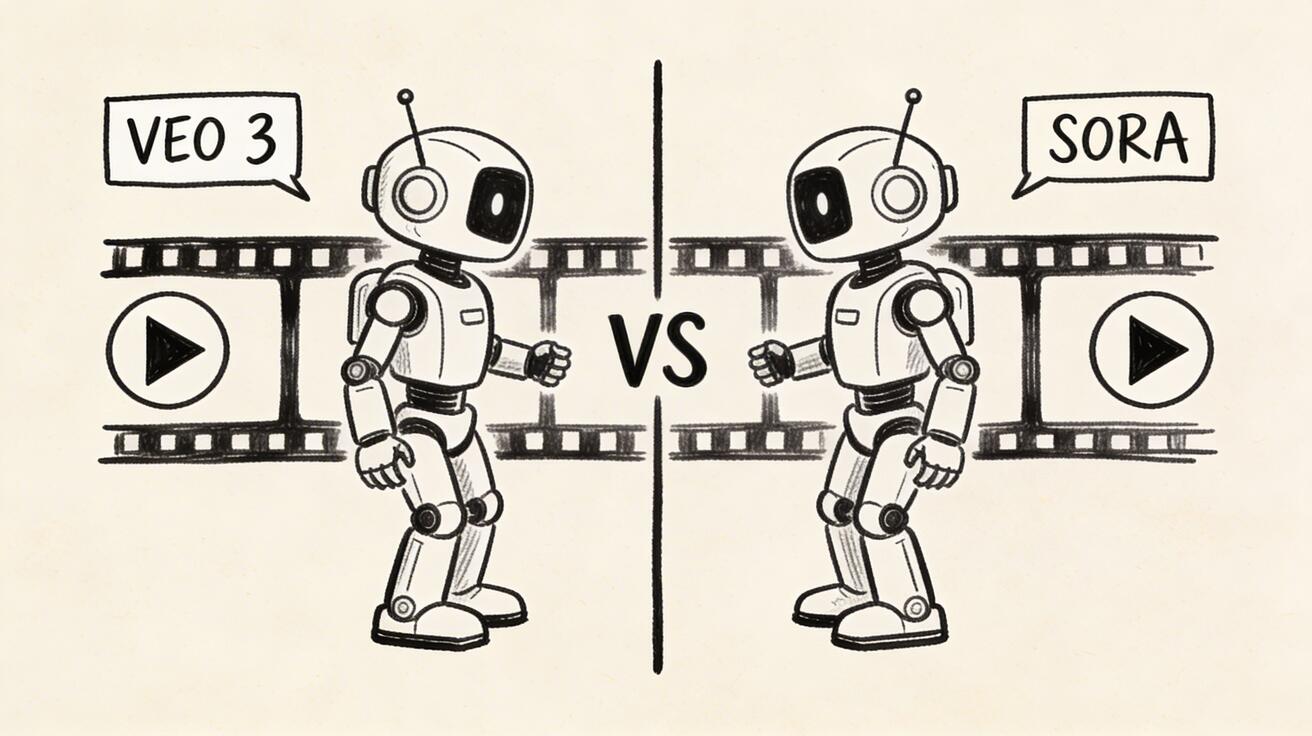
The landscape of AI video production has shifted dramatically. As we navigate 2026, creators are no longer just looking for "cool" visuals; they are looking for production-ready tools that integrate into professional workflows. This guide breaks down the head-to-head battle between Google DeepMind’s Veo 3 and OpenAI’s Sora, helping you decide which engine should power your next VeoNano project.
Quick Summary
Veo 3 represents Google DeepMind’s most advanced production-grade AI video system to date. Integrated directly into Google Flow and Gemini Advanced, it offers a streamlined path for creators who need high-fidelity physics and integrated audio. Sora, meanwhile, remains the industry leader for long-form generative clips, offering durations that far exceed the current market standard.
Veo 3: The Production Powerhouse
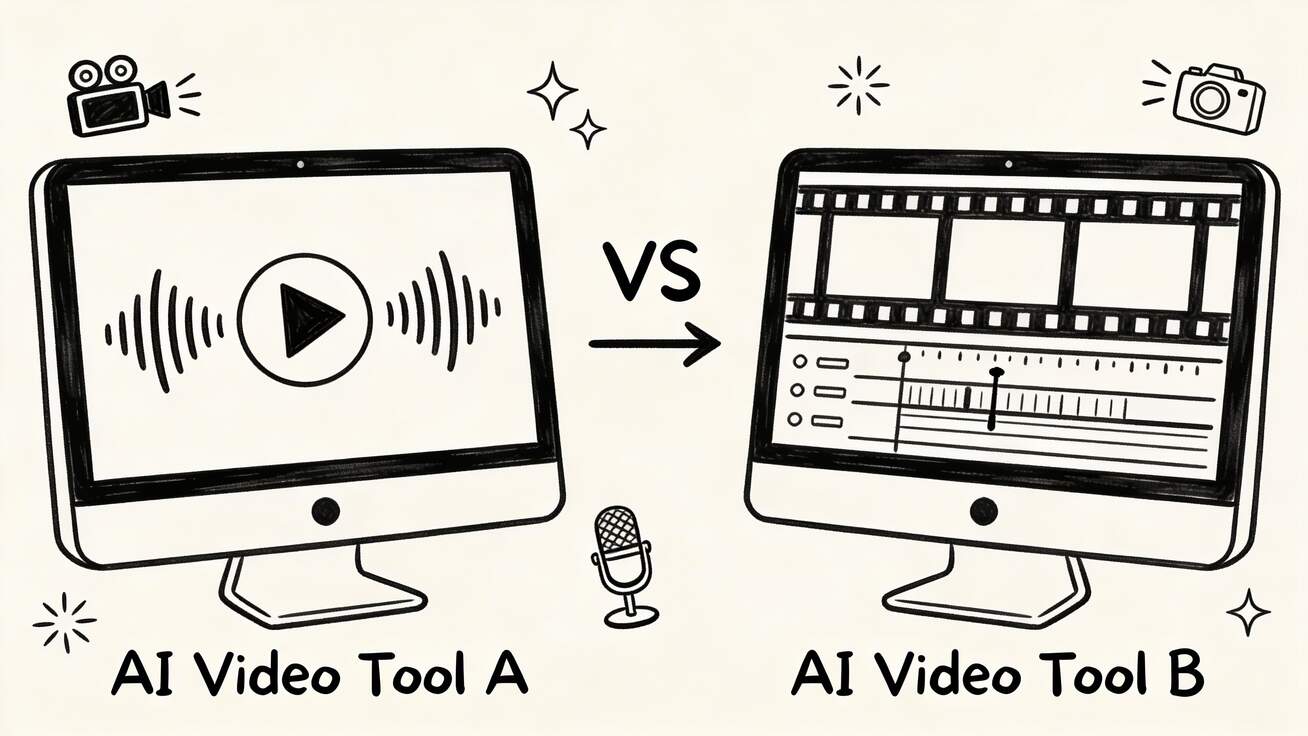
Veo 3 is built for precision. Its standout feature is native audio generation. Unlike other models that require a separate sound design phase, Veo 3 generates synchronized dialogue, ambient noise, and music alongside the video. This makes it an ideal choice for short-form creators on TikTok or YouTube Shorts who need a "one-and-done" output.
Access is primarily managed through Google Flow (flow.google) and Gemini Advanced. While basic features are available to standard subscribers, professional-tier capabilities often require specific Google workspace or advanced plans.
Sora: The Long-Form Specialist
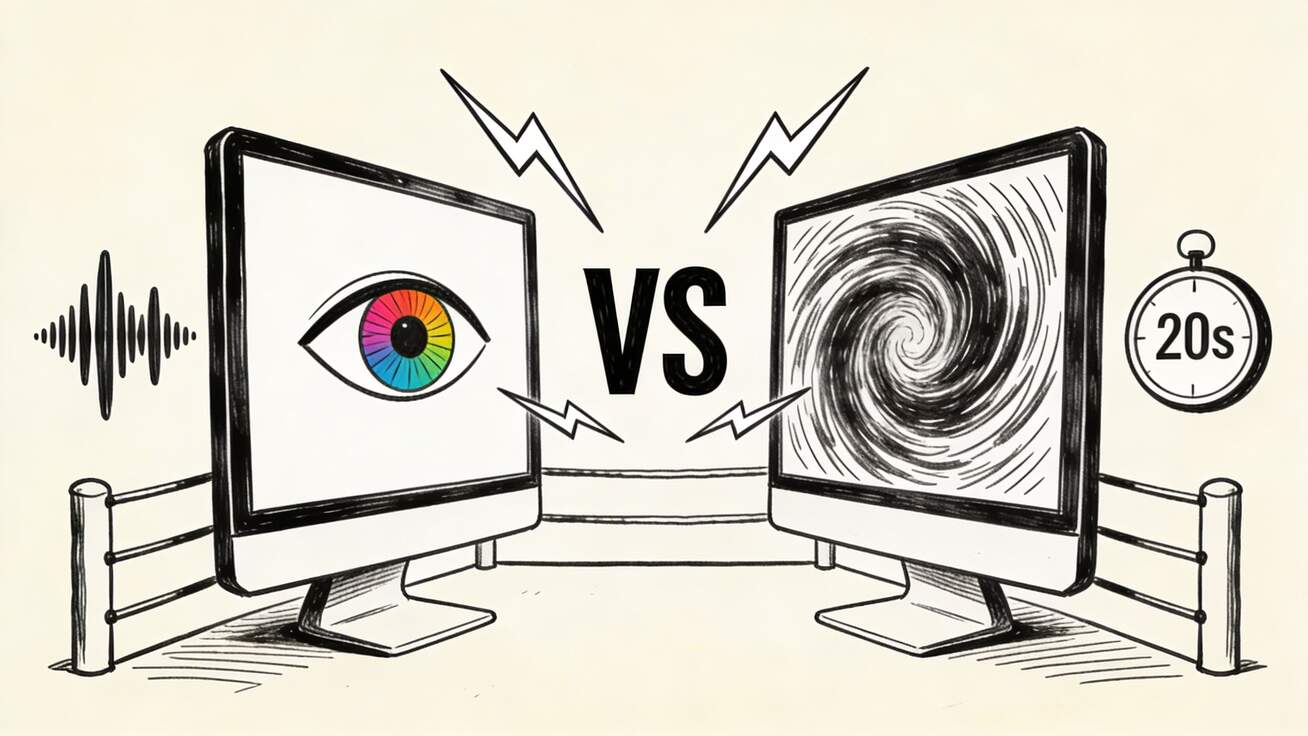
OpenAI’s Sora continues to dominate when it comes to clip duration. While Veo 3 and other competitors typically cap out at 8 to 10 seconds, Sora Pro can generate continuous clips up to 60 seconds long. This makes it the go-to tool for cinematic storytelling and complex scenes where spatial coherence over time is critical.
However, Sora remains a "video-only" tool. Creators must still handle audio post-production separately. Access is tiered, with ChatGPT Plus ($20/month) offering limited entry and ChatGPT Pro ($200/month) unlocking the full 60-second generation suite.
Head-to-Head: Key Quality Dimensions
- Visual Style: Veo 3 leans toward technical accuracy, sharp rendering, and realistic physics. Sora offers a "softer," more cinematic aesthetic that many find more artistically pleasing for narrative work.
- Prompt Adherence: Veo 3 is highly literal, excelling when creators use technical camera and lighting terminology. Sora is better at maintaining a consistent "vibe" or style even when prompts are more abstract.
- Character Animation: Both models still struggle with complex human interactions. While facial expressions are generally excellent, physical contact and deep emotional nuance remain inconsistent across both platforms.
Practical Use Case Comparison
| Feature | Veo 3 | Sora |
|---|---|---|
| Max Clip Length | ~8 Seconds | Up to 60 Seconds |
| Audio | Native Synchronized Audio | None (Video Only) |
| Best For | Social Media, Quick Turnaround | Narrative, Long-form, Cinematic |
| Access | Google Flow / Gemini | ChatGPT Plus / Pro |
The Bottom Line: Which Should You Use?
The choice depends on your specific workflow. If you are producing short-form content and want to skip the sound design phase, Veo 3 is the superior choice. Its integration with the Google ecosystem makes it a seamless addition to professional pipelines.
If your project requires extended shots or a specific cinematic "look" that 8-second clips can't capture, Sora is the clear winner, provided you have the budget for the Pro tier and the time for external audio editing.
Next Steps for Your Workflow
- Define your duration: If you need more than 10 seconds in a single shot, start with Sora.
- Assess audio needs: If your project is sound-heavy, Veo 3 will save you hours of post-production.
- Standardize: Use VeoNano templates to keep your AI-generated assets organized and consistent across platforms.
Explore more at VeoNano.
FAQs
1) Does Veo 3 support 60-second clips? No. In 2026, Veo 3 remains focused on high-quality short-form clips (typically around 8 seconds), while Sora Pro is the primary option for 60-second durations.
2) Can I use Veo 3 for free? Access is generally tied to Gemini Advanced or Google Flow subscriptions. Availability can vary significantly by region and account type.
3) Which tool is better for realistic physics? Veo 3 is currently noted for better physics simulation and technical accuracy, whereas Sora focuses more on cinematic stylization.
4) Do I need a separate AI for sound if I use Sora? Yes. Sora does not generate native audio. You will need to add music, effects, and dialogue in post-production.