Categories: AI Video Workflow, Creator Strategy, Production Process
Tags: veonano, ai creation studio, ai video workflow, content strategy, creator toolkit
Introduction
In the rapidly evolving landscape of 2026, choosing between Google’s Veo 3 and OpenAI’s Sora isn't about finding a "winner," but about selecting the right tool for your specific production needs. At VeoNano, we focus on turning these high-level AI capabilities into practical frameworks for clearer planning and faster execution.
The Most Important Difference: Clip Length vs. Audio
The primary divide between these two powerhouses comes down to duration and sensory integration.
- Sora Pro: The leader in narrative continuity, supporting clips up to 60 seconds. This makes it the preferred choice for long-form storytelling where temporal coherence is vital.
- Veo 3: While limited to 8-second clips, it offers a unique advantage with native synchronized audio. When you generate a scene—such as a bustling city street—Veo 3 automatically produces the matching traffic hum, crowd chatter, and urban atmosphere.
Video Quality and Performance
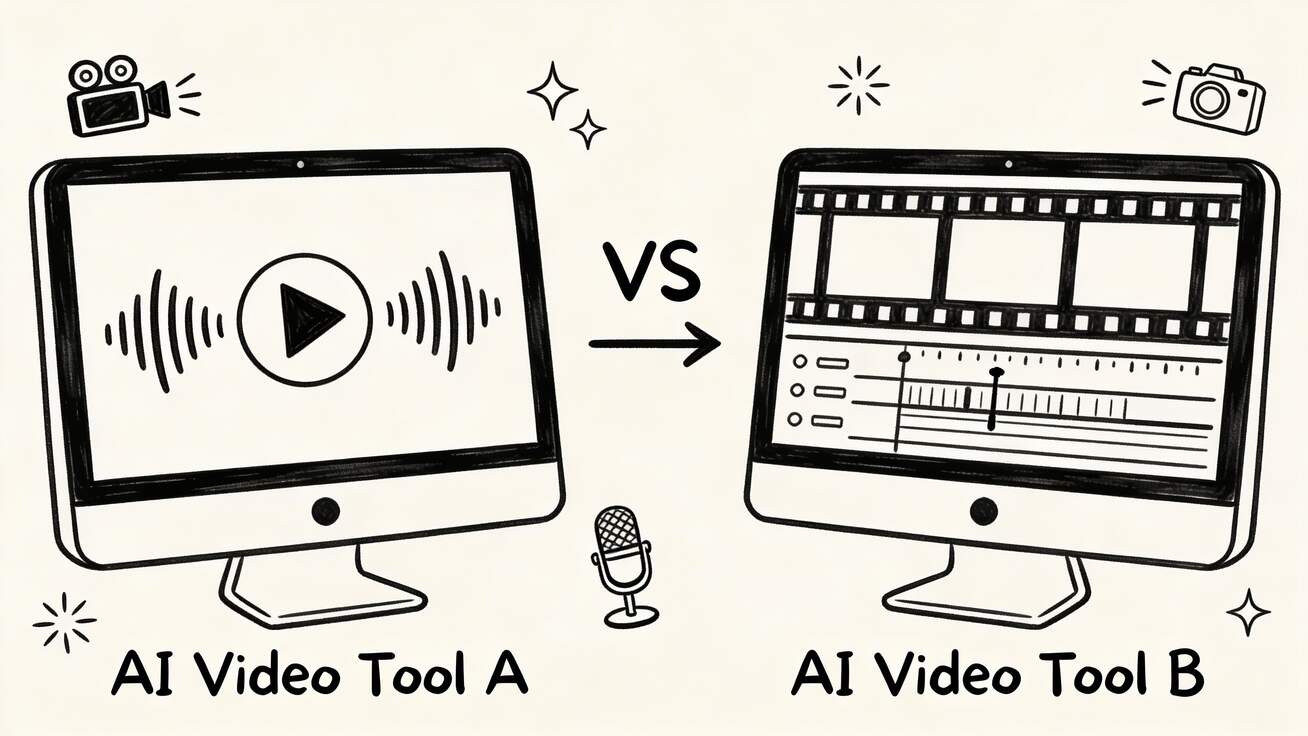
Both platforms have reached a ceiling of excellence, though their strengths differ. Sora excels at maintaining a consistent look over longer durations, while Veo 3 focuses on high-impact, short-form bursts with integrated sound. Testing both against real-world production scenarios reveals that specifications alone don't tell the full story; the "feel" of the motion and the accuracy of the prompt adherence are largely comparable but cater to different creative rhythms.
Pricing, Accessibility, and Availability
For creators at VeoNano, cost-efficiency is often a deciding factor:
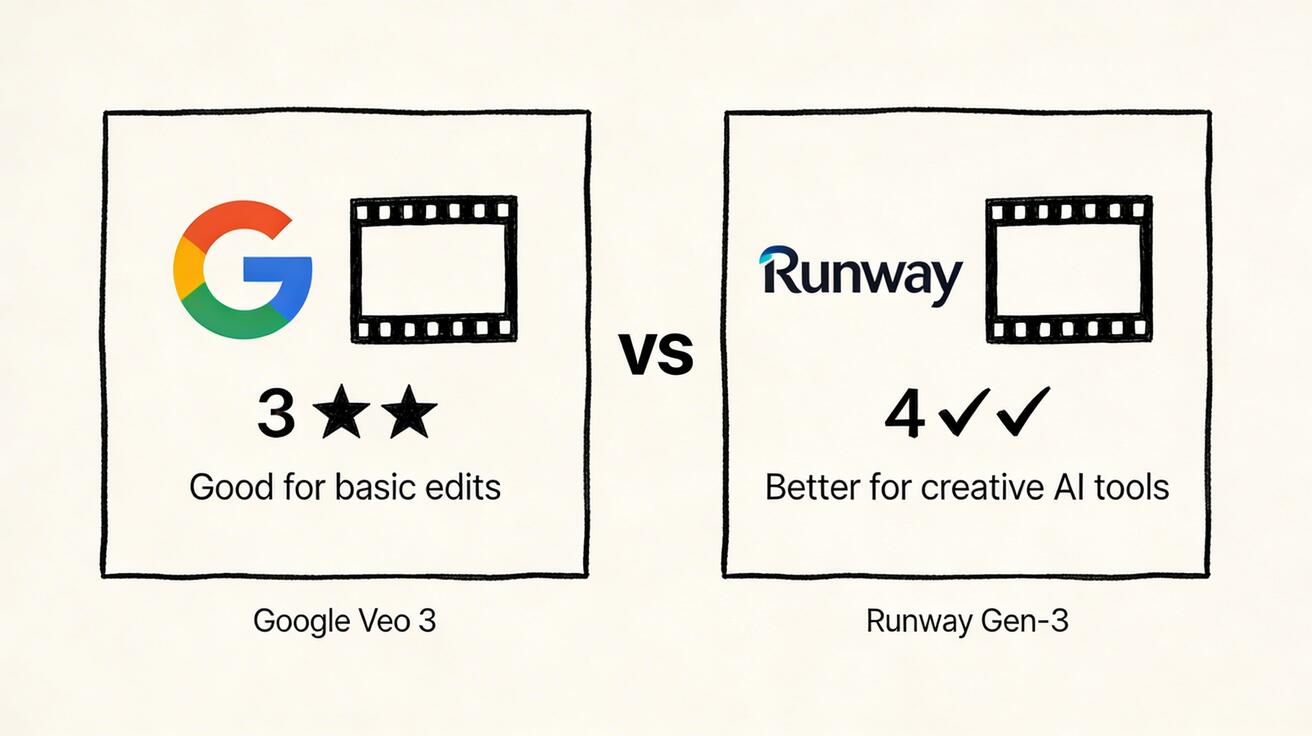
- Veo 3: Typically offers a lower barrier to entry for those already within the Google ecosystem (Gemini Advanced and Google Flow). It also boasts broader geographic availability, making it more accessible to global teams.
- Sora: Positioned as a premium professional investment. The Pro tier requires a significant monthly commitment, justified primarily by its extended clip capabilities. OpenAI’s rollout remains more gradual and restricted in certain regions.
Use Case Decision Guide
Framing this as a binary choice often ignores the reality of a professional AI video workflow. Most creators now use a tiered approach:
- Short-form with Audio: Use Veo 3 for social media clips and atmospheric b-roll.
- Long-form Narrative: Use Sora for scenes requiring extended duration.
- Professional Ceiling: Many supplement these with Runway Gen-4 for high-end control.
- Daily Iteration: Seedance 2.0 remains a popular choice for watermark-free daily testing.
The Road Ahead: 2026 and Beyond
The gap between these tools is narrowing. Within the next 12 to 18 months, expect both Google DeepMind and OpenAI to bridge their current feature gaps. We anticipate Veo 3 will likely expand its duration limits, while Sora will likely integrate native audio solutions to match Google's current lead in multi-modal generation.
Conclusion
The most reliable way to scale content is to standardize your production. Neither tool is universally superior; the "better" option depends on whether you prioritize long-form coherence (Sora) or immediate, audio-synced accessibility (Veo 3). By integrating these tools into a stable structure, you can iterate faster and scale what works.
Next Step
Explore professional AI video strategies and workflow templates at https://veonano.com.
FAQs
1) Is Veo 3 better than Sora in 2026?
Neither is objectively better. Veo 3 wins on audio integration and global access, while Sora wins on clip length and long-term narrative consistency.
2) Can I use Veo 3 for professional workflows?
Absolutely. It is particularly effective for high-frequency, short-form content where synchronized sound saves significant post-production time.
3) How should a solo creator choose?
Start with the ecosystem you already use. If you are on Gemini Advanced, Veo 3 is the natural starting point. If you need 60-second cinematic shots, Sora Pro is the necessary investment.
4) Should I prioritize trends or consistency?
At VeoNano, we recommend using trends for reach but maintaining a consistent format system to build long-term brand memory.