Categories: AI Video Workflow, Creator Strategy, Production Process
Tags: veonano, ai creation studio, ai video workflow, content strategy, creator toolkit
Bottom Line Up Front
Choosing between Google’s video models depends on your priority: cinematic excellence or rapid iteration. Full Veo 3 is the flagship powerhouse, offering superior audio-visual alignment, high-resolution output, and the ability to parse complex creative prompts. In contrast, Veo 3 Lite is the "sprint" model—optimized for speed and cost-efficiency without sacrificing the core essence of the generation.
Architecture and Model Design
The technical gap between the two models is significant. Full Veo 3 utilizes a more sophisticated architecture featuring larger attention windows and richer conditioning. This allows for stronger temporal consistency—meaning objects and characters stay stable over time—and a unified approach to generating audio and video simultaneously. Veo 3 Lite is a streamlined variant, built to deliver high-speed results by focusing on the most essential data pathways.
Output Quality and Visual Fidelity
When it comes to raw visual power, full Veo 3 is the clear leader. It supports resolutions up to 4K and excels at preserving fine textures, nuanced lighting, and clean compression. For creators focusing on "hero" shots—such as close-up faces, intricate hand movements, or crowded human scenes—the flagship model provides the polish required for professional delivery. While Lite performs admirably on mobile screens, it lacks the top-end resolution and micro-detail found in its larger sibling.
Motion, Lighting, and Human Figures
Full Veo 3 is specifically tuned for difficult physics and atmospheric effects. It handles complex motion, slow-motion sequences, and dramatic lighting setups with a level of realism that Lite struggles to match. If your project requires convincing human micro-expressions or atmospheric depth (like fog or dappled sunlight), the flagship model is the necessary choice for a "uncanny valley"-free experience.
Audio Generation: The Major Divider
One of the most compelling reasons to opt for full Veo 3 is its integrated audio engine. It doesn't just generate sound; it produces synchronized, layered audio environments. This includes everything from realistic speech to rich ambient backgrounds and precise sound effects. Veo 3 Lite is primarily a visual-first model, making it less ideal for projects where the soundscape is as important as the scenery.
Generation Speed and Cost Efficiency
Speed is where Veo 3 Lite shines. For a standard 4-second clip, Lite typically generates in 40 to 90 seconds. Full Veo 3 requires a much larger time investment, often taking 3 to 5 minutes per clip.
This speed difference translates directly to the bottom line:
- Full Veo 3: Estimated at $0.35 per second (~$350 for 1,000 seconds).
- Veo 3 Lite: Estimated at $0.05 to $0.10 per second (~$50–$100 for 1,000 seconds).
The Hybrid Strategy: A VeoNano Recommendation
For professional teams, the most effective workflow isn't choosing one model, but using both. We recommend a hybrid approach:
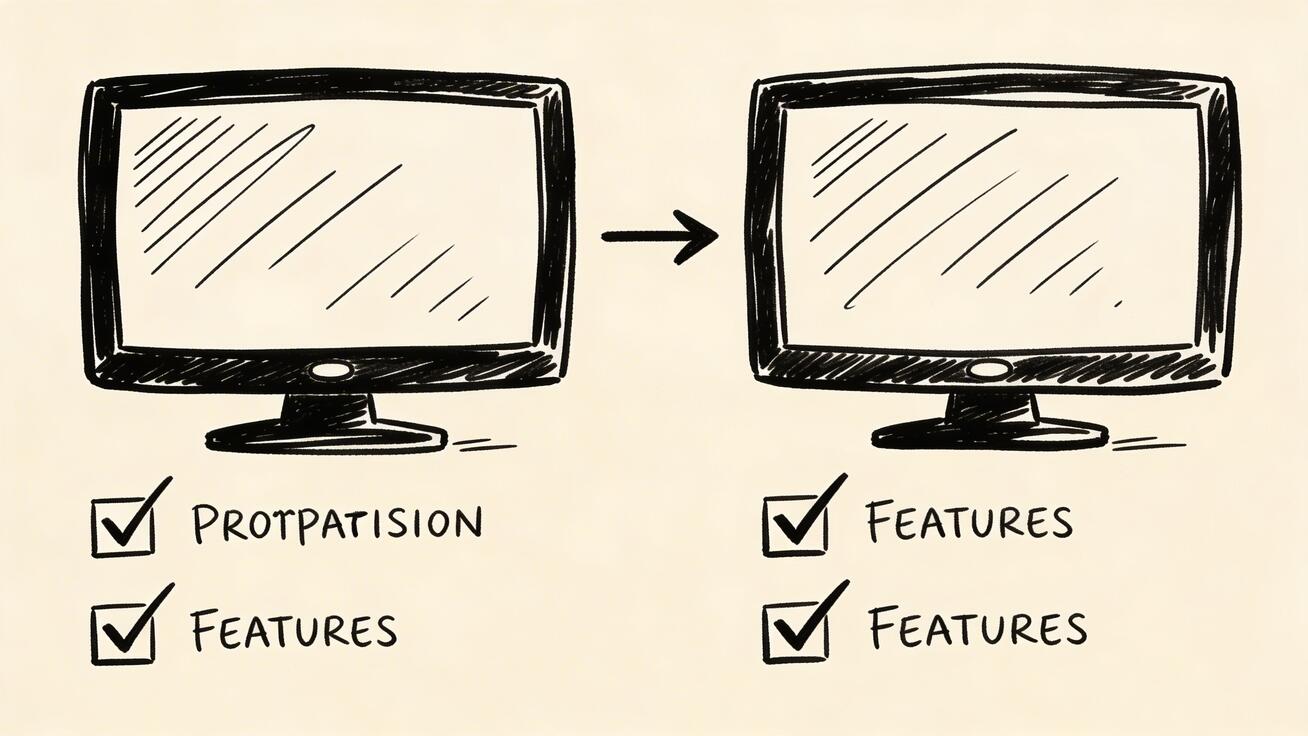
- Ideation: Use Veo 3 Lite to rapidly prototype concepts, test compositions, and iterate on visual ideas at a low cost.
- Production: Once the vision is locked, switch to full Veo 3 for the final "publishable" render to ensure maximum quality and synchronized audio.
Prompt Handling and Creative Control
Full Veo 3 is built for directors. It can interpret long, multi-clause cinematic prompts and follow specific camera instructions with high precision. Veo 3 Lite is more "literal" and performs best when given tight, clear, and concise prompts. If you are trying to execute a complex narrative sequence, the flagship model’s larger attention window is essential.
Scenario-Based Recommendations
- Choose Veo 3 Lite if: You are a TikTok creator, building a consumer video app, or managing a high-volume e-commerce catalog where throughput and cost-per-clip are the primary KPIs.
- Choose Full Veo 3 if: You are producing high-end advertisements, cinematic shorts, or any content where 4K resolution and perfect audio-visual synchronization are non-negotiable.
Conclusion
The choice between Lite and Full is a practical business decision. Lite is a smart optimization for social-first content and rapid testing, while full Veo 3 remains the gold standard for high-stakes creative work. By standardizing your production blocks and utilizing a hybrid workflow, you can maintain a premium brand image while keeping your budget under control.
Next Step
Explore VeoNano workflow templates to streamline your AI video production: https://veonano.com
FAQs
1) Can this workflow work for a solo creator?
Absolutely. Start by using Lite for your daily social drafts and reserve the full model for your weekly "main" video or high-traffic ads.
2) Is the quality difference noticeable on mobile?
For simple scenes or image-to-video tasks, Lite is surprisingly close to the flagship. The gap becomes obvious primarily in complex human motion and high-resolution environments.
3) Should I prioritize speed or quality?
If you are in a testing phase to see what resonates with your audience, prioritize speed (Lite). Once you have a winning concept, invest in quality (Full) for the final version.