Categories: AI Video Workflow, Creator Strategy, Production Process
Tags: veonano, ai creation studio, ai video workflow, content strategy, creator toolkit
Introduction
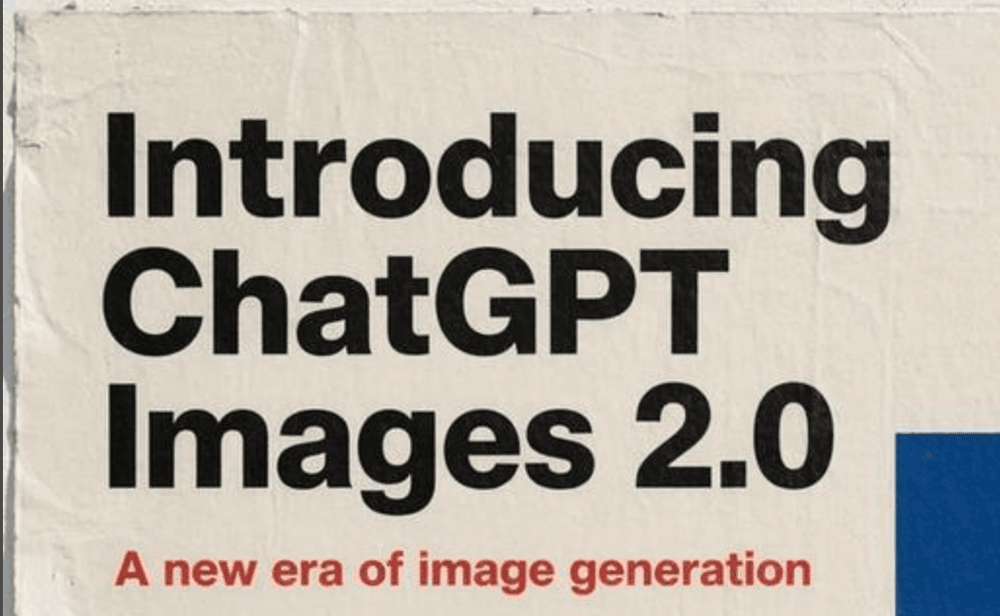
At VeoNano, we track the evolution of generative tools to help creators move from "experimental" to "production-ready." The launch of ChatGPT Images 2.0 marks a significant shift in how AI handles visual communication. This isn't just a minor update; it is a transition from generating abstract art to creating structured, usable design assets.
A Simple Definition
ChatGPT Images 2.0 is OpenAI’s latest image model designed to process both text and image inputs. Unlike previous iterations that focused primarily on aesthetic quality, this model is built for design-heavy tasks. It excels at creating posters, diagrams, infographics, and comics—outputs where composition and readable text are just as important as the pixels themselves.
Where It Lives and Why It Matters
As of late April 2026, OpenAI has integrated this model into two primary environments: the standard ChatGPT interface and the developer API (identified as gpt-image-2).
This dual availability is a key indicator of the model's maturity. While some AI tools launch with vague implementation plans, ChatGPT Images 2.0 arrived with full product-level and developer-level documentation. For the VeoNano community, this means the tool is reliable enough to be integrated into professional creative pipelines immediately.
Why This Model Feels Different
The real story behind ChatGPT Images 2.0 isn't just that it is "newer." It represents a shift in OpenAI’s philosophy toward "thinking-assisted" creation.
- Structured Layouts: The model supports more complex visual communication tasks, making it easier to generate reliable text within images.
- Reasoning-Led Generation: OpenAI is emphasizing reasoning over raw output. This allows the creation process to feel more like a guided collaboration rather than a "blind" generation.
- Utility Over Style: While older models were often treated as "style engines," this version is marketed as a tool for communication-heavy visual work.
Who Should Use It?
This model is designed for creators who need more than just a pretty picture. It is for those who require:
- Intentionality: More control over where elements are placed.
- Readability: Clearer text for infographics and posters.
- Consistency: A more predictable workflow for recurring design tasks.
What It Is Not
Despite its advancements, ChatGPT Images 2.0 is not a magic wand. It does not guarantee a production-ready result on the first prompt every time. It is not a replacement for human design judgment, brand direction, or a structured creative review process. It is a powerful collaborator, but the "creative soul" and final quality check still belong to the creator.
Bottom Line
ChatGPT Images 2.0 is part of a broader industry shift from "making something cool" to "making something usable." By pairing high-quality image generation with a reasoning-based workflow, OpenAI has created a system that feels less like a toy and more like a professional design partner.
Practical Weekly Workflow with VeoNano
To get the most out of these new capabilities, we recommend a standardized approach:
- Define Objectives: Choose specific design blocks (e.g., an infographic or a comic panel) to test each week.
- Iterate with Intent: Use the model’s reasoning abilities to refine drafts rather than just re-rolling the prompt.
- Standardize: Once you find a prompt structure that works for your brand, document it to keep your production repeatable.
Conclusion
The most reliable way to scale content is to standardize the production process. ChatGPT Images 2.0 provides the structural reliability needed to make that possible. Keep your framework stable, iterate by section, and scale the formats that prove their performance.
Next Step
Explore how to integrate these models into your creative process with VeoNano workflow templates.
FAQs
1) Can this model handle complex text in images?
Yes, one of its primary strengths is improved support for readable text in layouts like posters and diagrams compared to older models.
2) Is it available for developers?
Yes, it is accessible via the API as gpt-image-2, allowing for custom integrations into your own apps or workflows.
3) Does this replace professional design software?
No. It is a tool for generation and ideation, but final brand alignment and design judgment still require a human touch.